

Lavandula angustifolia
Lavender
Lamiaceae
Identity
- Common Name
- Lavender
- Scientific Name
- Lavandula angustifolia
- Botanical Family
- Lamiaceae
- Native Region
- Mediterranean region
- Cultivation Regions
- France, Mediterranean, England, Bulgaria
- Plant Parts Used
- Flower buds, Flower spikes
- Synonyms
- English lavender, True lavender, Lavandula officinalis
- Caffeine Level
- Caffeine Free
An evergreen shrub with slender grey-green leaves and tall spikes of small fragrant purple flowers. The name comes from the Latin 'lavare', to wash, reflecting its historical use in bathing.
Historical Background
Lavender has been used for over 2,500 years. The Romans used it in baths and to scent linens. In medieval and Renaissance Europe it was strewn on floors and used in sachets. It remains iconic of Provence.
Earliest recorded uses: Used by ancient Romans and Egyptians.
Cultural significance: A symbol of cleanliness, calm, and the landscapes of southern France; widely used in perfumery and sachets.
Ancient Rome
Used in baths and to scent clothing.
Middle Ages
Used in European households for fragrance and folk purposes.
Modern
Cultivated across Provence and worldwide.
Traditional preparations:
- Light infusion of flower buds
- Culinary use in small quantities
Traditional Uses
These uses document historical traditions and do not imply proven effectiveness.
Traditional European Herbalism
A gentle floral infusion used for relaxation and as a fragrant sachet for linens.
Modern Herbalism
Popular in evening blends and aromatherapy for winding down.
Flavor & Aroma
Aroma: Sweet, herbaceous, intensely floral.
Tea Information
Safety & Cautions
Research Summary
A small number of trials have explored lavender for anxiety and sleep with some positive findings for oral lavender preparations and aromatherapy, though evidence quality varies. Effects are modest.
Evidence levels reflect the currently available scientific literature and may change as new research emerges. Where evidence is limited or conflicting, this is stated plainly.
References & Sources
Related Herbs

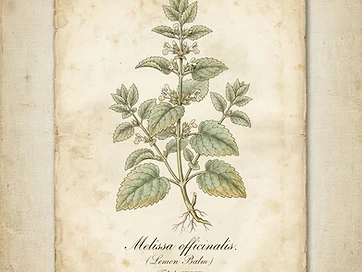
Melissa officinalis
Lemon Balm
Lamiaceae
Bright, lemony, herbaceous.


Mentha spicata
Spearmint
Lamiaceae
Fresh, sweet, minty, slightly fruity

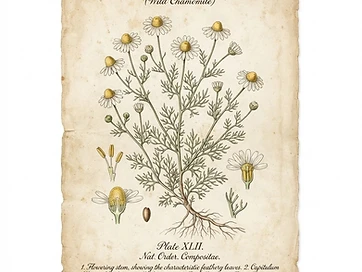
Matricaria chamomilla
Chamomile
Asteraceae
Sweet, apple-like, with soft hay and honey notes.