


Mentha spicata
Spearmint
Lamiaceae
Identity
- Common Name
- Spearmint
- Scientific Name
- Mentha spicata
- Botanical Family
- Lamiaceae
- Native Region
- Mediterranean and western Asia
- Cultivation Regions
- Europe, Mediterranean, North America, worldwide (temperate)
- Plant Parts Used
- Leaves
- Synonyms
- Garden Mint, Nana Mint, Curly Mint
- Caffeine Level
- Caffeine Free
A bright green upright herb with opposite serrated lance-shaped leaves on square stems and slender spikes of small pale lilac-pink tubular flowers; the leaves are the part used.
Historical Background
Spearmint has been a Mediterranean and European culinary and digestive mint for millennia, prized for its sweeter, gentler flavor than peppermint. A classic in Moroccan mint tea and after-meal infusions, its bright leaves brew a refreshing, caffeine-free cup.
Earliest recorded uses: Mediterranean and European traditions for millennia; a culinary and digestive mint.
Traditional preparations:
- Leaf infusion
- Moroccan mint tea
- After-meal digestive
Traditional Uses
These uses document historical traditions and do not imply proven effectiveness.
Mediterranean Traditions
Sweeter culinary and digestive mint of the Mediterranean.
Modern Herbalism
Refreshing digestive tea.
Flavor & Aroma
Aroma: Fresh, sweet, minty, slightly fruity
Tea Information
Safety & Cautions
Research Summary
Spearmint has a tradition for digestion and mild calming; small trials suggest modest hormonal effects (anti-androgen) at high doses. It is not a treatment for digestive disorders, PCOS, or any disease, though it remains a popular, gentle everyday tea.
Evidence levels reflect the currently available scientific literature and may change as new research emerges. Where evidence is limited or conflicting, this is stated plainly.
References & Sources
Related Herbs

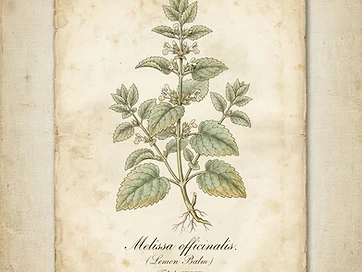
Melissa officinalis
Lemon Balm
Lamiaceae
Bright, lemony, herbaceous.


Mentha x piperita
Peppermint
Lamiaceae
Sharp, cool, penetrating menthol.

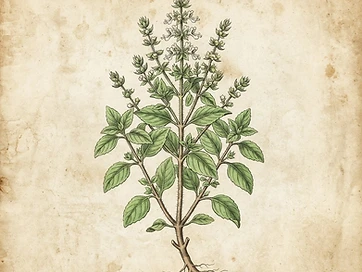
Ocimum basilicum
Sweet Basil
Lamiaceae
Sweet, peppery, herbaceous, slightly anise-like