

Matricaria chamomilla
Chamomile
Asteraceae
Identity
- Common Name
- Chamomile
- Scientific Name
- Matricaria chamomilla
- Botanical Family
- Asteraceae
- Native Region
- Europe and western Asia
- Cultivation Regions
- Europe, North America, Egypt, Argentina
- Plant Parts Used
- Flower heads
- Synonyms
- German chamomile, Wild chamomile, Matricaria recutita
- Caffeine Level
- Caffeine Free
An annual herb reaching 20–50 cm, with feathery bipinnate leaves and daisy-like flower heads bearing white ray florets around a conical yellow disk. It emits a sweet, apple-like fragrance.
Historical Background
Chamomile has been used for thousands of years. The ancient Egyptians revered it and dedicated it to the sun. Greek physicians such as Hippocrates and later Galen documented its use. The name derives from the Greek 'khamaimēlon', meaning 'earth apple', reflecting its scent.
Earliest recorded uses: Ancient Egyptian papyri and Greek medical texts describe chamomile for soothing and calming purposes.
Cultural significance: In European folk tradition chamomile was associated with restful calm and was a staple of cottage gardens. It was sometimes called the 'plants' physician' due to a folk belief that it revived ailing neighboring plants.
Ancient Egypt
Chamomile flowers used and offered to the sun god Ra.
Ancient Greece
Hippocrates and later Galen record medicinal uses.
Middle Ages
A common monastic garden herb across Europe.
19th century
Widely cultivated and popularized as a gentle household tea.
Traditional preparations:
- Infusion of dried flower heads in hot water
- Added to bath blends and hair rinses
Traditional Uses
These uses document historical traditions and do not imply proven effectiveness.
Traditional European Herbalism
Used as a gentle calming infusion to aid relaxation and as a digestive comfort after meals.
Modern Herbalism
A popular evening tea for winding down; also used in skincare rinses.
Flavor & Aroma
Aroma: Sweet, apple-like, with soft hay and honey notes.
Tea Information
Safety & Cautions
Research Summary
Several controlled trials have explored chamomile for sleep and relaxation, with modest and inconsistent effects. Evidence is promising but not conclusive. More large, well-designed studies are needed.
Evidence levels reflect the currently available scientific literature and may change as new research emerges. Where evidence is limited or conflicting, this is stated plainly.
References & Sources
Related Herbs


Calendula officinalis
Calendula
Asteraceae
Warm, floral, faintly honeyed

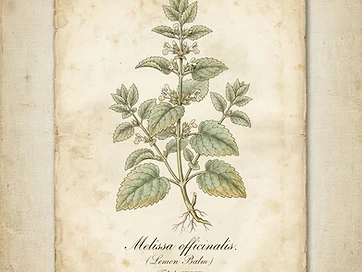
Melissa officinalis
Lemon Balm
Lamiaceae
Bright, lemony, herbaceous.

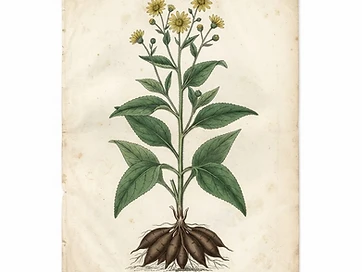
Smallanthus sonchifolius
Yacon
Asteraceae
Sweet, mild, slightly earthy, fresh