

Calendula officinalis
Calendula
Asteraceae
Identity
- Common Name
- Calendula
- Scientific Name
- Calendula officinalis
- Botanical Family
- Asteraceae
- Native Region
- Mediterranean and southern Europe
- Cultivation Regions
- Europe, North America, Mediterranean
- Plant Parts Used
- Flower petals, Whole flower heads
- Synonyms
- Pot Marigold, Marigold
- Caffeine Level
- Caffeine Free
An annual or short-lived perennial 30–50 cm tall with bright golden-orange, multi-layered ray flowers and a central disc, and broad, sticky oval leaves. The petals are the primary medicinal part.
Historical Background
Calendula has been used since antiquity as a skin-healing, digestive, and culinary herb — its petals colored broths, cheeses, and skin salves. It was a staple of medieval European gardens and monastic medicine and remains a cornerstone of Western skin herbalism.
Earliest recorded uses: Arab, Greek, and Roman physicians used calendula for wounds and skin; medieval European herbals kept it for skin and fever.
Cultural significance: Named for the Latin calends (the first of the month, when it was said to bloom), calendula symbolized constancy and was sacred in Mexican Day of the Dead celebrations; the petals were a cheap saffron substitute.
Traditional preparations:
- Flower infusion
- Infused oil and salves
- Gargle
Traditional Uses
These uses document historical traditions and do not imply proven effectiveness.
Traditional European Herbalism
Petal infusions and oils for skin healing, rashes, and wounds.
Modern Herbalism
Used in skin salves, throat gargles, and digestive teas.
Flavor & Aroma
Aroma: Warm, floral, faintly honeyed
Tea Information
Safety & Cautions
Research Summary
Calendula has a long tradition in wound and skin care and is supported by a few small trials suggesting improved healing of skin wounds and reduction of radiation dermatitis in cancer treatment, though evidence is limited. Internal effects are less studied. It is not a treatment for serious skin disease.
Evidence levels reflect the currently available scientific literature and may change as new research emerges. Where evidence is limited or conflicting, this is stated plainly.
References & Sources
Related Herbs


Cynara cardunculus
Artichoke Leaf
Asteraceae
Mild, slightly bitter, green, earthy


Carthamus tinctorius
Safflower
Asteraceae
Mild, slightly bitter, green

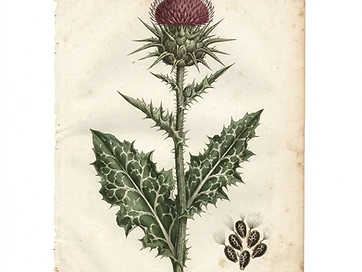
Silybum marianum
Milk Thistle
Asteraceae
Mild, slightly nutty, earthy, green