

Silybum marianum
Milk Thistle
Asteraceae
Identity
- Common Name
- Milk Thistle
- Scientific Name
- Silybum marianum
- Botanical Family
- Asteraceae
- Native Region
- Mediterranean basin
- Cultivation Regions
- Mediterranean, Europe, North America, Australia
- Plant Parts Used
- Seeds
- Synonyms
- Silymarin Herb, St. Mary's Thistle, Carduus marianus
- Caffeine Level
- Caffeine Free
A tall thistle with large glossy dark green leaves marbled with white veins, and a large round reddish-purple thistle flower head with spiny bracts; the small dark seeds are the part used, rich in silymarin.
Historical Background
Milk thistle has been a revered liver herb of European and Mediterranean medicine for over 2,000 years, its white-veined leaves said to mark the milk of the Virgin Mary. Its seeds, rich in silymarin, brew a mild tea long associated with liver traditions.
Earliest recorded uses: Used in European and Mediterranean medicine for over 2,000 years; a revered liver herb since Pliny and Dioscorides.
Traditional preparations:
- Crushed-seed decoction
- Liver-support tea with artichoke
- Digestive bitter blend
Traditional Uses
These uses document historical traditions and do not imply proven effectiveness.
Traditional European Herbalism
Revered liver and biliary herb since antiquity.
Modern Herbalism
Liver-support and antioxidant seed tea.
Flavor & Aroma
Aroma: Mild, slightly nutty, earthy, green
Tea Information
Safety & Cautions
Research Summary
Milk thistle (silymarin) has moderate evidence from trials for some liver conditions, though results vary and quality is mixed. It is not a treatment for hepatitis, cirrhosis, NAFLD, or any disease, and should be discussed with a clinician, especially with liver or diabetes medications.
Evidence levels reflect the currently available scientific literature and may change as new research emerges. Where evidence is limited or conflicting, this is stated plainly.
References & Sources
Related Herbs


Cynara cardunculus
Artichoke Leaf
Asteraceae
Mild, slightly bitter, green, earthy


Carthamus tinctorius
Safflower
Asteraceae
Mild, slightly bitter, green

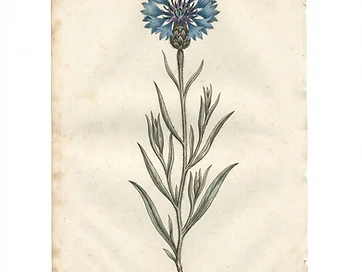
Centaurea cyanus
Cornflower
Asteraceae
Floral, mild, slightly sweet, green