

Cinnamomum verum
Cinnamon
Lauraceae
Identity
- Common Name
- Cinnamon
- Scientific Name
- Cinnamomum verum
- Botanical Family
- Lauraceae
- Native Region
- Sri Lanka (Ceylon) and southern India
- Cultivation Regions
- Sri Lanka, India, Indonesia, China, Vietnam
- Plant Parts Used
- Bark
- Synonyms
- Ceylon Cinnamon, True Cinnamon, Cassia (related)
- Caffeine Level
- Caffeine Free
An evergreen tree 10-15 m tall with leathery, glossy, opposite lance-shaped leaves bearing three prominent parallel veins, small pale-yellow flowers in panicles, and the aromatic inner bark that is stripped, fermented, and dried into quills.
Historical Background
Cinnamon has been one of the most valued spices for over 4,000 years, traded along ancient routes from Sri Lanka to Egypt, Rome, and China. In Ayurveda and TCM it is a warming digestive and circulatory stimulant; in Europe it flavored everything from mulled wine to medicinal cordials.
Earliest recorded uses: Recorded in ancient Egyptian, Chinese, and Sanskrit texts; among the most prized spices of antiquity.
Traditional preparations:
- Bark decoction
- Spiced chai base
- Powder infused in hot water
Traditional Uses
These uses document historical traditions and do not imply proven effectiveness.
Ayurveda
Warming digestive and circulatory stimulant; cold-season spice tea.
Traditional Chinese Medicine
Warming, Qi-moving spice for digestion and circulation.
Modern Herbalism
Blood-sugar support tradition (modest, conflicting evidence).
Flavor & Aroma
Aroma: Sweet, warm, woody-spicy
Tea Information
Safety & Cautions
Research Summary
Cinnamon has a long tradition as a warming digestive and circulatory herb. Trials on blood-sugar lowering in type 2 diabetes show inconsistent, modest results; evidence is conflicting and not a substitute for medication. Coumarin content in cassia is a safety consideration for regular use.
Evidence levels reflect the currently available scientific literature and may change as new research emerges. Where evidence is limited or conflicting, this is stated plainly.
References & Sources
Related Herbs

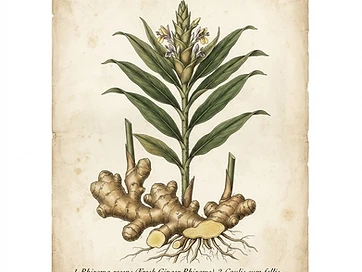
Zingiber officinale
Ginger
Zingiberaceae
Warm, pungent, citrusy-spicy.

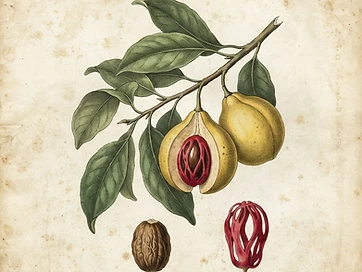
Myristica fragrans
Nutmeg
Myristicaceae
Warm, sweet, woody, spicy


Mentha x piperita
Peppermint
Lamiaceae
Sharp, cool, penetrating menthol.