
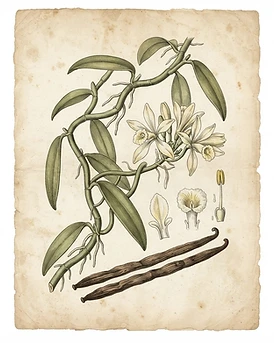
Vanilla planifolia
Vanilla
Orchidaceae
Identity
- Common Name
- Vanilla
- Scientific Name
- Vanilla planifolia
- Botanical Family
- Orchidaceae
- Native Region
- Mexico (Mesoamerica)
- Cultivation Regions
- Madagascar, Mexico, Tahiti, Indonesia
- Plant Parts Used
- Cured fruit (vanilla bean), Seeds
- Synonyms
- Vanilla Bean, Vainilla, Bourbon Vanilla
- Caffeine Level
- Caffeine Free
A climbing tropical orchid vine with long narrow succulent leaves, aerial roots, and pale creamy-yellow orchid flowers that must be hand-pollinated; the cured seed pods yield the vanilla bean.
Historical Background
Vanilla originated with the Totonac people of Mexico, who cultivated the orchid and cured its pods for a prized flavoring later adopted by the Aztecs for cacao drinks. After Spanish conquest, vanilla captivated European courts and became one of the world's most beloved aromatics in teas, desserts, and ceremonial drinks.
Earliest recorded uses: Totonac and later Aztec use of vanilla for flavoring cacao; spread to Europe after the Spanish conquest.
Traditional preparations:
- Whole-pod infusion
- Vanilla-infused milk tea
- Bean split into chai blends
Traditional Uses
These uses document historical traditions and do not imply proven effectiveness.
Mexican & Maya Traditions
Prized aromatic flavoring for cacao drinks; warming comfort.
Modern Herbalism
Soothing, mood-lifting aromatic for tea and desserts.
Flavor & Aroma
Aroma: Sweet, creamy, floral, warm
Tea Information
Safety & Cautions
Research Summary
Vanilla is among the most widely used culinary aromatics. Its traditional calming, mood, and digestive uses have limited clinical evidence; preclinical work shows antioxidant activity. It is not a treatment for any disease.
Evidence levels reflect the currently available scientific literature and may change as new research emerges. Where evidence is limited or conflicting, this is stated plainly.
References & Sources
Related Herbs


Jasminum sambac
Jasmine
Oleaceae
Sweet, floral, heady, exotic


Cyclopia genistoides
Honeybush
Fabaceae
Sweet, honey-like, woody, floral

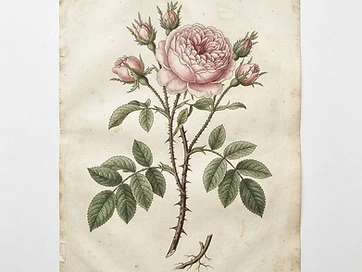
Rosa × damascena
Damask Rose
Rosaceae
Deep, sweet, classic rose