
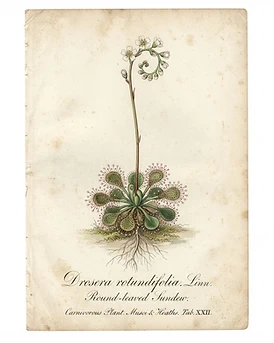
Drosera rotundifolia
Sundew
Droseraceae
Identity
- Common Name
- Sundew
- Scientific Name
- Drosera rotundifolia
- Botanical Family
- Droseraceae
- Native Region
- Bogs of Europe, North America and Asia
- Cultivation Regions
- Europe, North America (often wild, some species protected)
- Plant Parts Used
- Aerial parts (whole plant)
- Synonyms
- Round-Leaved Sundew, Dewplant, Youthwort
- Caffeine Level
- Caffeine Free
A small carnivorous plant forming a basal rosette of round green leaves covered in glistening red-tipped glandular hairs that trap insects, sending up a slender stem of tiny white flowers.
Historical Background
Used since the 16th century in European herbalism as an antitussive for dry, spasmodic coughs; listed in old pharmacopeias before falling out of wide use.
Earliest recorded uses: Dry, tickly, spasmodic cough and chest complaints.
Cultural significance: A fascination of naturalists for its insect-trapping leaves; once a recognized cough remedy in European pharmacy.
16th century
European herbalists adopt sundew for spasmodic cough.
Modern
Declines as synthetic antitussives rise; some species now protected.
Traditional preparations:
- Infusion
- Tincture
- Syrup
Traditional Uses
These uses document historical traditions and do not imply proven effectiveness.
Traditional European Herbalism
Infusion or tincture for dry, irritable, spasmodic cough.
Flavor & Aroma
Aroma: Faint, green and earthy
Tea Information
Safety & Cautions
Research Summary
Naphthoquinones (plumbagin) are studied for antimicrobial and antispasmodic effects; clinical evidence for cough is lacking.
Evidence levels reflect the currently available scientific literature and may change as new research emerges. Where evidence is limited or conflicting, this is stated plainly.
References & Sources
References & Sources
- American Herbal Products Association · Botanical Safety Handbook (2013)
Related Herbs

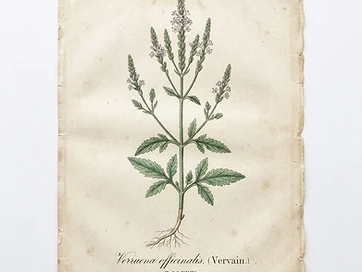
Verbena officinalis
Vervain
Verbenaceae
Faint, green and herbaceous


Eriobotrya japonica
Loquat
Rosaceae
Faint, fruity-green

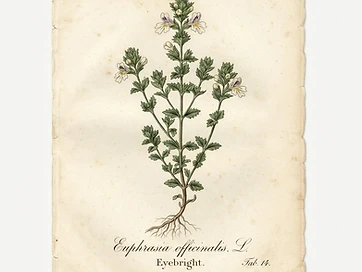
Euphrasia officinalis
Eyebright
Orobanchaceae
Faint, green and herbaceous