
Dimocarpus longan
Longan
Sapindaceae
Identity
- Common Name
- Longan
- Scientific Name
- Dimocarpus longan
- Botanical Family
- Sapindaceae
- Native Region
- Southern China and Southeast Asia
- Plant Parts Used
- Dried aril (fruit flesh)
- Caffeine Level
- None
An evergreen tree with glossy pinnate leaves and clusters of small, round fruits with thin, leathery shells and translucent, jelly-like arils surrounding a dark seed (the 'dragon's eye').
Historical Background
Longan has been cultivated in southern China for over two thousand years and is a familiar ingredient in TCM tonics and sweet teas.
Earliest recorded uses: Recorded in Chinese Materia Medica as a sweet, warming tonic for the spleen and heart.
Cultural significance: A beloved ingredient in Chinese tonic soups and teas, often paired with red dates and goji berries.
Traditional preparations:
- Dried fruit decoction
- Sweet tonic tea with jujube and goji
Traditional Uses
These uses document historical traditions and do not imply proven effectiveness.
Traditional Chinese Medicine
Used to nourish the blood, calm the mind, and support restful sleep.
Flavor & Aroma
Aroma: Sweet, fruity, delicately floral
Tea Information
Safety & Cautions
Research Summary
Contains polysaccharides and phenolics with antioxidant activity studied in vitro; traditional calming uses align with folk practice, though clinical trials are limited.
Evidence levels reflect the currently available scientific literature and may change as new research emerges. Where evidence is limited or conflicting, this is stated plainly.
References & Sources
Related Herbs

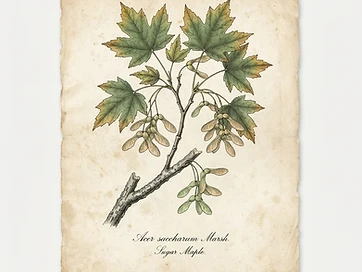
Acer saccharum
Maple Leaf
Sapindaceae
Mild, sweet, woody, slightly earthy
Paullinia cupana
Guarana
Sapindaceae
Toasted, earthy
Primula veris
Cowslip
Primulaceae
Delicate, sweetly floral, apricot-like