
Primula veris
Cowslip
Primulaceae
Identity
- Common Name
- Cowslip
- Scientific Name
- Primula veris
- Botanical Family
- Primulaceae
- Native Region
- Europe and western Asia
- Plant Parts Used
- Flower, Root
- Caffeine Level
- None
A low perennial with a rosette of wrinkled leaves and umbels of nodding, fragrant yellow flowers with orange throat markings.
Historical Background
Cowslip has been gathered for centuries in European folk medicine and was a common spring tea for soothing coughs and calming nerves. It was woven into May Day traditions.
Earliest recorded uses: Noted in medieval European herbals and by herbalists such as John Gerard and Nicholas Culpeper.
Cultural significance: Associated with spring festivals, cowslips were fermented into 'cowslip wine' and used in country remedies.
Traditional preparations:
- Flower infusion
- Root decoction (stronger, expectorant)
Traditional Uses
These uses document historical traditions and do not imply proven effectiveness.
European folk medicine
Used as a mild sedative, expectorant, and antispasmodic.
Culinary
Flowers brewed into wine and used to flavor country drinks.
Flavor & Aroma
Aroma: Delicate, sweetly floral, apricot-like
Tea Information
Safety & Cautions
Research Summary
Contains saponins and flavonoids with traditional expectorant activity; modern clinical evidence is scarce.
Evidence levels reflect the currently available scientific literature and may change as new research emerges. Where evidence is limited or conflicting, this is stated plainly.
References & Sources
Related Herbs
Albizia julibrissin
Albizia Bark
Fabaceae
Mild, woody
Dimocarpus longan
Longan
Sapindaceae
Sweet, fruity, delicately floral

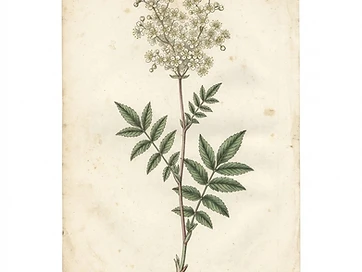
Filipendula ulmaria
Meadowsweet
Rosaceae
Sweet, almond-like, floral, honeyed