

Filipendula ulmaria
Meadowsweet
Rosaceae
Identity
- Common Name
- Meadowsweet
- Scientific Name
- Filipendula ulmaria
- Botanical Family
- Rosaceae
- Native Region
- Europe and western Asia
- Cultivation Regions
- Europe, western Asia, North America
- Plant Parts Used
- Flowering tops
- Synonyms
- Queen of the Meadow, Bridewort, Meadwort
- Caffeine Level
- Caffeine Free
A tall erect perennial with pinnate compound leaves of toothed green leaflets and dense frothy terminal clusters of small creamy-white five-petalled flowers with prominent stamens; the flowering tops are the part used.
Historical Background
Meadowsweet ('queen of the meadow') was a sacred Celtic and European herb for millennia, its honey-almond flowers a beloved flavoring for mead and teas. The source of salicylates that inspired aspirin, its flowering tops brew a sweet, aromatic tea traditionally sipped for digestive and joint comfort — used with care for its salicylate content.
Earliest recorded uses: European and Celtic traditions for millennia; a sacred 'queen of the meadow' and the natural source of salicylates that inspired aspirin.
Traditional preparations:
- Flowering-top infusion
- Digestive tea with peppermint
- Honeyed mead-flavor blend
Traditional Uses
These uses document historical traditions and do not imply proven effectiveness.
Traditional European Herbalism
'Queen of the meadow'; mead-flavoring and digestive herb.
Modern Herbalism
Digestive and joint-comfort tea (salicylate caution).
Flavor & Aroma
Aroma: Sweet, almond-like, floral, honeyed
Tea Information
Safety & Cautions
Research Summary
Meadowsweet has a tradition for digestion and joint comfort; it contains salicylates that inspired aspirin. Clinical evidence is insufficient; it is not a treatment for pain, arthritis, heartburn, or any disease, and may interact with aspirin, NSAIDs, and blood-thinning drugs.
Evidence levels reflect the currently available scientific literature and may change as new research emerges. Where evidence is limited or conflicting, this is stated plainly.
References & Sources
Related Herbs

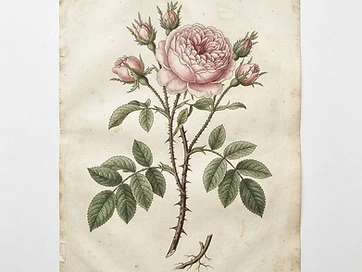
Rosa × damascena
Damask Rose
Rosaceae
Deep, sweet, classic rose


Agrimonia eupatoria
Agrimony
Rosaceae
Mild, slightly astringent, honeyed, green


Prunus serotina
Wild Cherry Bark
Rosaceae
Bitter almond, woody, aromatic