

Albizia julibrissin
Albizia Bark
Fabaceae
Identity
- Common Name
- Albizia Bark
- Scientific Name
- Albizia julibrissin
- Botanical Family
- Fabaceae
- Native Region
- East Asia
- Plant Parts Used
- Bark
- Caffeine Level
- None
A deciduous tree with fern-like bipinnate leaves and pink, puff-like flower clusters. The dried bark of the trunk and branches is the medicinal part.
Historical Background
Albizia has been used in TCM for centuries, its name translating to 'collective happiness bark', reflecting its traditional use to calm mood and ease sorrow.
Earliest recorded uses: Recorded in the Shennong Ben Cao Jing as a remedy for emotional distress and injuries.
Cultural significance: Planted in Chinese gardens for its cheerful flowers and its symbolism of joy and reconciliation.
Traditional preparations:
- Bark decoction
- Combined with other calming herbs
Traditional Uses
These uses document historical traditions and do not imply proven effectiveness.
Traditional Chinese Medicine
Used to calm the shen (spirit), ease irritability, and support restful mood.
Flavor & Aroma
Aroma: Mild, woody
Tea Information
Safety & Cautions
Research Summary
Contains saponins and flavonoids with apparent calmative and adaptogenic activity in animal studies; human data is limited.
Evidence levels reflect the currently available scientific literature and may change as new research emerges. Where evidence is limited or conflicting, this is stated plainly.
References & Sources
Related Herbs


Trifolium pratense
Red Clover
Fabaceae
Mild, sweet, floral, grassy

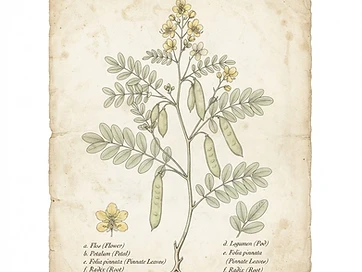
Senna alexandrina
Senna
Fabaceae
Mild, slightly sweet, grassy, faintly floral


Ceratonia siliqua
Carob
Fabaceae
Sweet, cacao-like, nutty, slightly toasty