
Paullinia cupana
Guarana
Sapindaceae
Identity
- Common Name
- Guarana
- Scientific Name
- Paullinia cupana
- Botanical Family
- Sapindaceae
- Native Region
- Amazon basin, especially Brazil
- Plant Parts Used
- Seed
- Caffeine Level
- High
A climbing woody vine with compound leaves and pear-shaped red capsules that split open to reveal black seeds partly covered by white arils, resembling eyes.
Historical Background
Cultivated for centuries by Indigenous Amazonian peoples, notably the Sateré-Mawé, who regard guarana as a sacred plant. It spread into Brazilian soft drinks and global supplements.
Earliest recorded uses: Documented by Jesuit missionaries in the 17th century, though Indigenous use predates colonization.
Cultural significance: Central to Sateré-Mawé origin mythology; traditionally ground into a stick and grated into drinks.
Traditional preparations:
- Seeds roasted and ground into a paste stick, then grated into water
- Powdered seed infusion
Traditional Uses
These uses document historical traditions and do not imply proven effectiveness.
Indigenous Amazonian
Used to relieve fatigue, suppress hunger, and treat diarrhea.
Brazilian folk medicine
Employed as a stimulant tonic and headache remedy.
Flavor & Aroma
Aroma: Toasted, earthy
Tea Information
Safety & Cautions
Research Summary
Effects are largely due to caffeine with related alkaloids; some trials suggest benefits for cognitive performance and fatigue, though evidence is mixed.
Evidence levels reflect the currently available scientific literature and may change as new research emerges. Where evidence is limited or conflicting, this is stated plainly.
References & Sources
Related Herbs

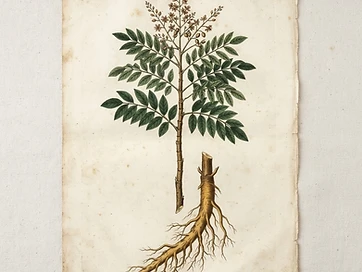
Eurycoma longifolia
Tongkat Ali
Simaroubaceae
Bitter, slightly woody
Ruscus aculeatus
Butcher's Broom
Asparagaceae
Earthy, mildly green
Dimocarpus longan
Longan
Sapindaceae
Sweet, fruity, delicately floral