
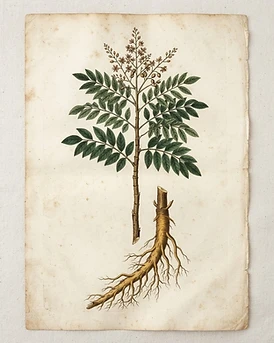
Eurycoma longifolia
Tongkat Ali
Simaroubaceae
Identity
- Common Name
- Tongkat Ali
- Scientific Name
- Eurycoma longifolia
- Botanical Family
- Simaroubaceae
- Native Region
- Southeast Asia (Malaysia, Indonesia, Vietnam)
- Cultivation Regions
- Malaysia, Indonesia
- Plant Parts Used
- Root
- Synonyms
- Longjack, Malaysian Ginseng
- Caffeine Level
- Caffeine Free
A tall, slender evergreen tree growing up to 15 m with pinnate leaves and small greenish-yellow flowers. The long, vertical, deeply ridged yellowish root is the medicinal part; it is intensely bitter, which is reflected in its name — 'Ali's walking stick.'
Historical Background
Tongkat ali has been used in Malay and Indonesian traditional medicine for centuries as a tonic for energy, fever, and male vitality. In recent decades it has become a sought-after 'male enhancement' supplement worldwide, with Malaysia promoting it as a national herbal export.
Earliest recorded uses: Recorded in Malay and Indonesian ethnobotanical traditions as an energy and male tonic.
Cultural significance: Considered a national treasure of Malaysia and the subject of government-supported research; the surge in global demand has raised concerns about adulteration of commercial products.
Pre-colonial
Used in Malay and Indonesian traditional medicine as a vitality tonic.
2000s
Standardized root extracts researched and marketed for male vitality.
2010s+
Global supplement market grows; adulteration concerns rise.
Traditional preparations:
- Root decoction (very bitter)
- Standardized water extracts
Traditional Uses
These uses document historical traditions and do not imply proven effectiveness.
Indigenous Traditions
Root decoction for fatigue, fever, and male vitality.
Modern Herbalism
Marketed for testosterone support, libido, and athletic recovery.
Flavor & Aroma
Aroma: Bitter, slightly woody
Tea Information
Safety & Cautions
Research Summary
Tongkat ali root extracts have been studied for stress hormones, testosterone, and male sexual function. Some small trials report modest improvements in stress-related cortisol and in subjective well-being, and a few report slight increases in testosterone in older or stressed men, but evidence is limited, many studies are small or industry-funded, and product adulteration is a known concern. It is not a proven treatment for low testosterone.
Evidence levels reflect the currently available scientific literature and may change as new research emerges. Where evidence is limited or conflicting, this is stated plainly.
References & Sources
Related Herbs

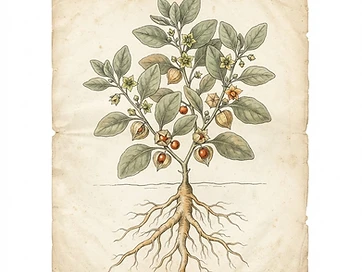
Withania somnifera
Ashwagandha
Solanaceae
Earthy, pungent, horse-like

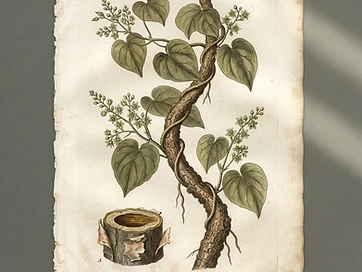
Tinospora cordifolia
Guduchi
Menispermaceae
Bitter, earthy, slightly starchy

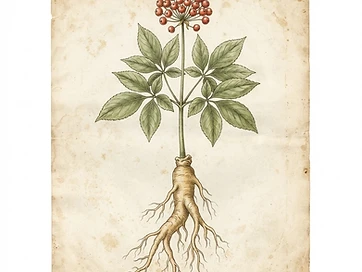
Panax ginseng
Asian Ginseng
Araliaceae
Earthy, sweet, slightly balsamic