

Ziziphus jujuba
Jujube
Rhamnaceae
Identity
- Common Name
- Jujube
- Scientific Name
- Ziziphus jujuba
- Botanical Family
- Rhamnaceae
- Native Region
- China and South Asia
- Cultivation Regions
- China, Korea, Middle East, Southern Europe
- Plant Parts Used
- Fruit, Seeds (suanzaoren)
- Synonyms
- Red Date, Dazao, Chinese Date
- Caffeine Level
- Caffeine Free
A small thorny deciduous tree or shrub with glossy oval three-veined leaves, small yellow-green flowers, and round to oblong red-brown date-like drupes that dry to a chewy, sweet texture.
Historical Background
Jujube (red date, dazao) has been a staple of Chinese food and medicine for over 2,500 years, prized as a nourishing, calming, blood-building tonic. The sweet dried fruit is simmered into daily teas and soups, often paired with goji, ginger, and chrysanthemum, and is a symbol of harmony and longevity.
Earliest recorded uses: Recorded in Chinese herbals for over 2,500 years; a staple food and TCM tonic fruit (dazao).
Traditional preparations:
- Dried-fruit decoction
- Longevity tea with goji
- Sleep tea with suanzaoren seed
Traditional Uses
These uses document historical traditions and do not imply proven effectiveness.
Traditional Chinese Medicine
Nourishes Blood, calms the spirit, harmonizes formulas; daily tonic fruit.
Modern Herbalism
Nourishing, calming, vitality tea.
Flavor & Aroma
Aroma: Sweet, date-like, caramel, malty
Tea Information
Safety & Cautions
Research Summary
Jujube is a traditional nourishing and calming tonic in TCM, rich in polysaccharides and flavonoids. Clinical evidence is limited; small studies suggest mild sedative and antioxidant effects, but it is not a treatment for insomnia, anxiety, or any disease.
Evidence levels reflect the currently available scientific literature and may change as new research emerges. Where evidence is limited or conflicting, this is stated plainly.
References & Sources
Related Herbs

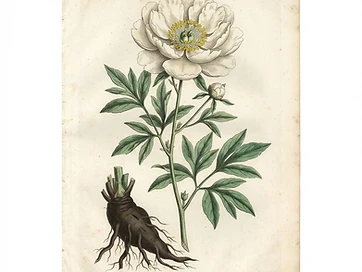
Paeonia lactiflora
White Peony
Paeoniaceae
Floral, sweet, slightly bitter, earthy

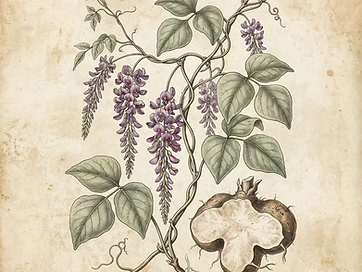
Pueraria lobata
Kudzu
Fabaceae
Sweet, starchy, slightly floral, earthy


Angelica sinensis
Dong Quai
Apiaceae
Musky, earthy, sweet-bitter, aromatic