

Paeonia lactiflora
White Peony
Paeoniaceae
Identity
- Common Name
- White Peony
- Scientific Name
- Paeonia lactiflora
- Botanical Family
- Paeoniaceae
- Native Region
- China
- Cultivation Regions
- China, Japan, Korea
- Plant Parts Used
- Root
- Synonyms
- Bai Shao, Chinese Peony, White Peony Root
- Caffeine Level
- Caffeine Free
An elegant perennial 60-100 cm tall with divided compound leaves and large showy bowl-shaped flowers of many layered white petals around a bright yellow stamen center; the thick tuberous root is medicinal.
Historical Background
White peony (bai shao) has been a cornerstone of Traditional Chinese Medicine for over two millennia, especially for women's health, where it nourishes Blood and softens pain. Often paired with dong quai in classic formulas, its root is simmered into gentle, slightly floral decoctions.
Earliest recorded uses: Recorded in the Shennong Ben Cao Jing (~2000 years ago); a pillar of TCM gynecology, often paired with Dong Quai.
Traditional preparations:
- Root decoction
- Women's formula with Dong Quai
- Calming tea with licorice
Traditional Uses
These uses document historical traditions and do not imply proven effectiveness.
Traditional Chinese Medicine
Nourishes Blood, softens the Liver, relieves pain; premier women's herb.
Modern Herbalism
Women's, pain, and nervous-system tonic.
Flavor & Aroma
Aroma: Floral, sweet, slightly bitter, earthy
Tea Information
Safety & Cautions
Research Summary
White peony has a long TCM tradition for women's health, pain, and nervous-system soothing. Clinical evidence is limited; preclinical work suggests anti-inflammatory and possible hormonal effects, but it is not a treatment for menstrual pain, infertility, or any disease.
Evidence levels reflect the currently available scientific literature and may change as new research emerges. Where evidence is limited or conflicting, this is stated plainly.
References & Sources
Related Herbs


Asparagus racemosus
Shatavari
Asparagaceae
Sweet, earthy, slightly bitter, herbal

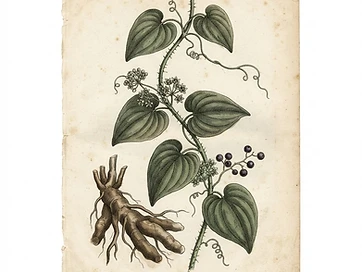
Smilax officinalis
Sarsaparilla
Smilacaceae
Earthy, sweet, slightly bitter, woody

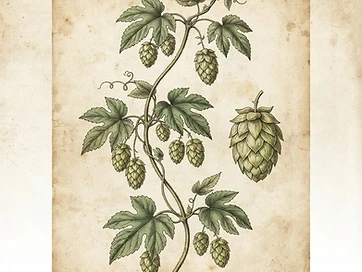
Humulus lupulus
Hops
Cannabaceae
Floral, resinous, earthy, slightly bitter