

Humulus lupulus
Hops
Cannabaceae
Identity
- Common Name
- Hops
- Scientific Name
- Humulus lupulus
- Botanical Family
- Cannabaceae
- Native Region
- Europe and western Asia
- Cultivation Regions
- Germany, United Kingdom, United States, Czech Republic
- Plant Parts Used
- Strobili (cones)
- Synonyms
- Hop, Common Hops, Lupulus
- Caffeine Level
- Caffeine Free
A vigorous climbing bine with lobed palmate serrated leaves and cone-like green strobili (hop cones) hanging in clusters; the resinous cones are the part used.
Historical Background
Hops have flavored and preserved European beer since the Middle Ages, and the soothing, resinous cones were prized by herbalists as a sleep and nervine herb. Traditionally used in sleep pillows and calming bedtime infusions, hops carry the scent of late-summer harvest.
Earliest recorded uses: Used in European herbalism for centuries; a key flavoring and preservative of beer since medieval times.
Traditional preparations:
- Cone infusion
- Bedtime sleep blend with valerian
- Soothing sleep pillow (off-tea)
Traditional Uses
These uses document historical traditions and do not imply proven effectiveness.
Traditional European Herbalism
Sleep, nervine, and beer flavoring herb.
Modern Herbalism
Calming sleep and digestive tea.
Flavor & Aroma
Aroma: Floral, resinous, earthy, slightly bitter
Tea Information
Safety & Cautions
Research Summary
Hops have a long tradition as a sleep and nervine herb, often paired with valerian. Clinical evidence is limited; small studies and tradition support a mild relaxing effect, but it is not a treatment for insomnia, anxiety, or any disease.
Evidence levels reflect the currently available scientific literature and may change as new research emerges. Where evidence is limited or conflicting, this is stated plainly.
References & Sources
Related Herbs

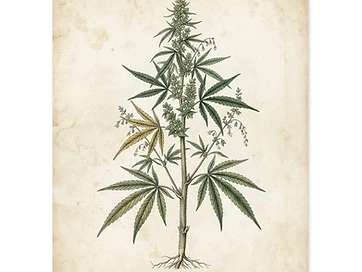
Cannabis sativa
Cannabis
Cannabaceae
Pungent, resinous, herbaceous


Verbena hastata
Blue Vervain
Verbenaceae
Herbal, slightly bitter, green, earthy

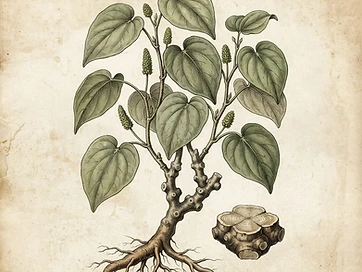
Piper methysticum
Kava
Piperaceae
Earthy, peppery, slightly bitter, creamy