


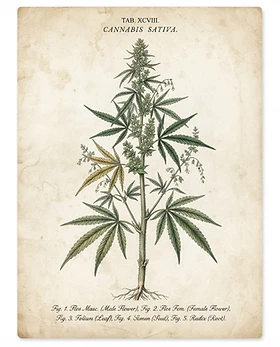
Cannabis sativa
Cannabis
Cannabaceae
Identity
- Common Name
- Cannabis
- Scientific Name
- Cannabis sativa
- Botanical Family
- Cannabaceae
- Native Region
- Central Asia
- Cultivation Regions
- Worldwide (subject to local law)
- Plant Parts Used
- Flower tops (buds), Leaves, Seeds (hemp hearts, food)
- Synonyms
- Hemp, Marijuana, Ganja, CBD Hemp
- Caffeine Level
- Caffeine Free
A tall annual with palmately compound leaves of 5-9 serrated narrow leaflets. Female plants bear resinous flower clusters (buds) rich in cannabinoids; male plants bear pollen. The fibrous stalk yields hemp fiber.
Historical Background
Cannabis has been used for over 5,000 years — for fiber, seed, medicine, and ritual — in ancient China, India, and the Middle East. It entered 19th-century Western medicine through William O'Shaughnessy and was long listed in pharmacopeias before prohibition. Hemp seed (non-intoxicating) is a traditional food; hemp tea (hemp stalks/leaves, legally distinct from THC-rich cannabis) is widely sold.
Earliest recorded uses: Pain, spasm, nausea, digestive complaints, and as a sedative and ritual plant.
Cultural significance: Among the oldest cultivated plants; sacred in several traditions and a focus of modern cannabinoid research and shifting legal regulation.
Ancient China
Recorded in the Shennong Bencao Jing for pain and other uses.
Ancient India
Featured in Ayurvedic and ritual texts as 'bhang'.
19th century
Introduced to Western medicine by O'Shaughnessy for spasm and pain.
20th century
Prohibited in many countries; later selectively re-legalized.
Traditional preparations:
- Hemp leaf/seed infusion (non-intoxicating)
- Decarboxylated THC-rich tea (intoxicating; subject to law)
- Hemp seed decoction/food
Traditional Uses
These uses document historical traditions and do not imply proven effectiveness.
Ayurveda
'Bhang' preparations for pain, spasm, appetite, and as a relaxant — historically under strict cultural regulation.
Traditional Chinese Medicine
Recorded for pain, spasms, and constipation in classical texts.
Traditional European Herbalism
19th-century tinctures for pain, spasm, and insomnia.
Flavor & Aroma
Aroma: Pungent, resinous, herbaceous
Tea Information
Safety & Cautions
Research Summary
Pharmaceutical cannabinoids have evidence for chronic pain, chemotherapy-induced nausea, and spasticity in multiple sclerosis. Evidence for hemp leaf tea as such is limited; THC and CBD content vary widely by product and law.
Evidence levels reflect the currently available scientific literature and may change as new research emerges. Where evidence is limited or conflicting, this is stated plainly.
References & Sources
References & Sources
- NCCIH · Cannabis (Marijuana) and Cannabinoids — What You Need to Know (various)
- NIH Office of Dietary Supplements · Cannabinoid research overview (various)
Related Herbs

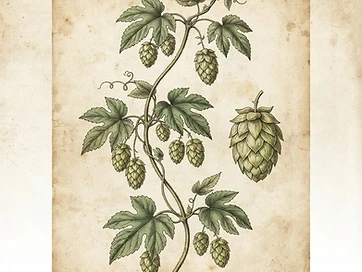
Humulus lupulus
Hops
Cannabaceae
Floral, resinous, earthy, slightly bitter

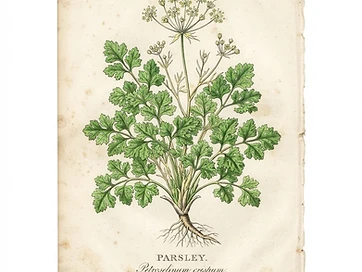
Petroselinum crispum
Parsley
Apiaceae
Fresh, grassy, green


Betonica officinalis
Wood Betony
Lamiaceae
Mild, green and herbaceous