
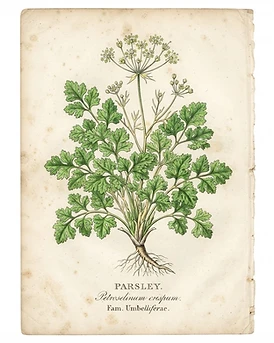
Petroselinum crispum
Parsley
Apiaceae
Identity
- Common Name
- Parsley
- Scientific Name
- Petroselinum crispum
- Botanical Family
- Apiaceae
- Native Region
- Mediterranean
- Cultivation Regions
- Worldwide temperate regions
- Plant Parts Used
- Leaves, Seeds, Root
- Synonyms
- Curly Parsley, Flat-leaf Parsley, Parsley Seed
- Caffeine Level
- Caffeine Free
A biennial with bright green, deeply curled (or flat) leaves on slender stems, producing umbels of tiny yellow-green flowers and small ribbed seeds. A ubiquitous culinary herb with a long medicinal history.
Historical Background
Used by Greeks and Romans as a digestive and breath freshener and in funeral rites; later a European diuretic and 'women's' herb. The seed was a stronger medicinal than the leaf.
Earliest recorded uses: Digestion, breath freshening, diuresis, and menstrual complaints.
Cultural significance: Symbolic of both death and renewal in antiquity; now a global kitchen staple.
Classical
Greeks and Romans use parsley for digestion and breath.
European
Seed and root used as diuretic and emmenagogue.
Traditional preparations:
- Fresh leaf infusion
- Seed decoction (small doses)
Traditional Uses
These uses document historical traditions and do not imply proven effectiveness.
Traditional European Herbalism
Leaf and seed infusions as a gentle diuretic, digestive, and breath freshener.
Flavor & Aroma
Aroma: Fresh, grassy, green
Tea Information
Safety & Cautions
Research Summary
Rich in vitamin K, flavonoids, and apigenin; diuretic and mild antioxidant effects noted in laboratory study, with limited human trials.
Evidence levels reflect the currently available scientific literature and may change as new research emerges. Where evidence is limited or conflicting, this is stated plainly.
References & Sources
References & Sources
- American Herbal Products Association · Botanical Safety Handbook (2013)
Related Herbs

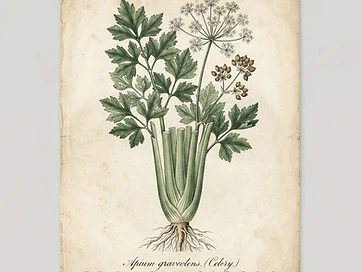
Apium graveolens
Celery Seed
Apiaceae
Warm, spicy, celery-like


Eryngium yuccifolium
Eryngo
Apiaceae
Faint, rooty, herbaceous

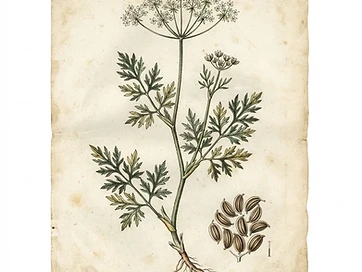
Carum carvi
Caraway
Apiaceae
Warm, earthy, slightly sweet, peppery