
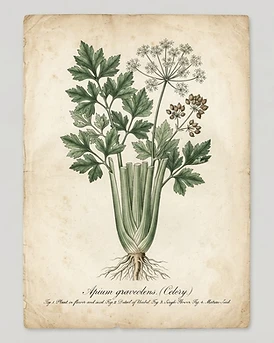
Apium graveolens
Celery Seed
Apiaceae
Identity
- Common Name
- Celery Seed
- Scientific Name
- Apium graveolens
- Botanical Family
- Apiaceae
- Native Region
- Mediterranean
- Cultivation Regions
- Worldwide temperate regions
- Plant Parts Used
- Seeds
- Synonyms
- Smallage Seed, Celery Fruit
- Caffeine Level
- Caffeine Free
A biennial producing ribbed stalks, pinnate leaflets, and umbels of tiny white flowers that yield small, round, aromatic brown seeds with a warm, earthy aroma.
Historical Background
Celery seed was used in Ayurveda and European herbalism for joints, gout, and as a diuretic; it later became a classic 'joint' remedy in 19th-century practice.
Earliest recorded uses: Gout, arthritis, fluid retention, and digestion.
Cultural significance: A traditional pickle spice and a folk arthritis remedy in both Indian and European practice.
Ayurvedic
Used for joints, digestion, and as a diuretic.
19th century
European herbalists adopt celery seed for gout and rheumatism.
Traditional preparations:
- Seed infusion
- Seed decoction
- Tincture
Traditional Uses
These uses document historical traditions and do not imply proven effectiveness.
Ayurveda
Seed preparations for joint and urinary comfort.
Traditional European Herbalism
Seed decoction for gout and fluid retention.
Flavor & Aroma
Aroma: Warm, spicy, celery-like
Tea Information
Safety & Cautions
Research Summary
Coumarins, phthalides (sedanolide), and flavonoids are studied for anti-inflammatory and uricosuric effects; clinical evidence for gout is limited.
Evidence levels reflect the currently available scientific literature and may change as new research emerges. Where evidence is limited or conflicting, this is stated plainly.
References & Sources
References & Sources
- American Herbal Products Association · Botanical Safety Handbook (2013)
Related Herbs

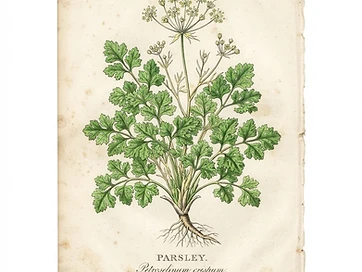
Petroselinum crispum
Parsley
Apiaceae
Fresh, grassy, green

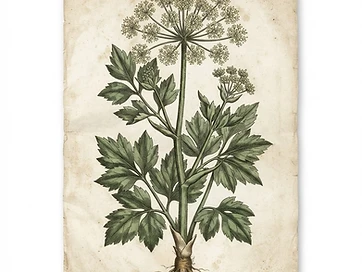
Levisticum officinale
Lovage
Apiaceae
Warm, celery-like, slightly musky, savory

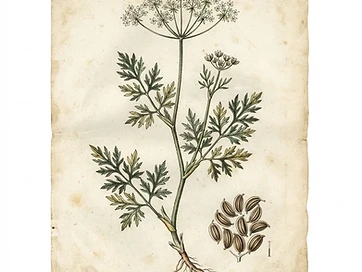
Carum carvi
Caraway
Apiaceae
Warm, earthy, slightly sweet, peppery