
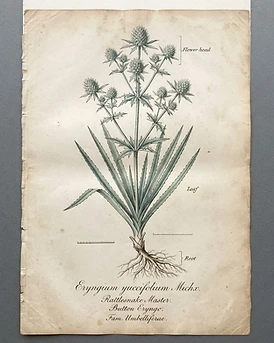
Eryngium yuccifolium
Eryngo
Apiaceae
Identity
- Common Name
- Eryngo
- Scientific Name
- Eryngium yuccifolium
- Botanical Family
- Apiaceae
- Native Region
- North American prairies
- Cultivation Regions
- North America
- Plant Parts Used
- Root
- Synonyms
- Rattlesnake Master, Button Snakeroot, Yucca-Leaf Eryngo
- Caffeine Level
- Caffeine Free
A tall prairie plant with long, narrow, stiff blue-green yucca-like leaves and round greenish-white spiky flower heads on branching stems; the root is the medicinal part.
Historical Background
Used by several Native American peoples for urinary and kidney complaints and as a general tonic; the common name 'rattlesnake master' reflects traditional lore as a snakebite plant.
Earliest recorded uses: Urinary and kidney comfort, and as a general strengthening tonic.
Cultural significance: A distinctive prairie plant once carried as a protective charm; a feature of tallgrass-prairie restoration today.
Indigenous
Native American groups use eryngo root for urinary and tonic purposes.
Modern
Retained in some folk practice; limited modern study.
Traditional preparations:
- Root decoction
- Tincture
Traditional Uses
These uses document historical traditions and do not imply proven effectiveness.
Native American Traditions
Root decoction for urinary and kidney discomfort and as a tonic.
Modern Herbalism
Used for prostate and urinary comfort.
Flavor & Aroma
Aroma: Faint, rooty, herbaceous
Tea Information
Safety & Cautions
Research Summary
Used almost entirely on traditional grounds; modern clinical evidence is lacking.
Evidence levels reflect the currently available scientific literature and may change as new research emerges. Where evidence is limited or conflicting, this is stated plainly.
References & Sources
References & Sources
- American Herbal Products Association · Botanical Safety Handbook (2013)
Related Herbs

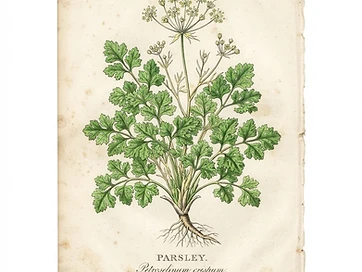
Petroselinum crispum
Parsley
Apiaceae
Fresh, grassy, green

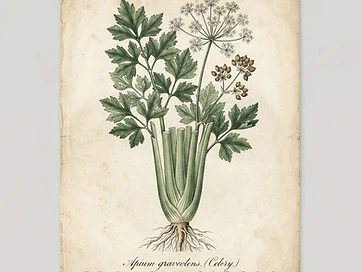
Apium graveolens
Celery Seed
Apiaceae
Warm, spicy, celery-like


Angelica sinensis
Dong Quai
Apiaceae
Musky, earthy, sweet-bitter, aromatic