
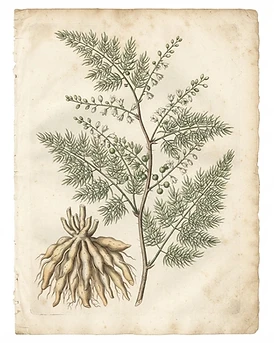
Asparagus racemosus
Shatavari
Asparagaceae
Identity
- Common Name
- Shatavari
- Scientific Name
- Asparagus racemosus
- Botanical Family
- Asparagaceae
- Native Region
- India and the Himalayas
- Cultivation Regions
- India, Himalayas, Southeast Asia
- Plant Parts Used
- Root, Leaves
- Synonyms
- Satavari, Wild Asparagus, Hundred Husbands
- Caffeine Level
- Caffeine Free
A climbing plant with feathery needle-like cladodes (modified stems) arranged in clusters along a woody stem, small white bell-shaped flowers, and a cluster of fleshy tuberous roots used medicinally.
Historical Background
Shatavari ('she who possesses a hundred husbands') has been the premier women's rejuvenating herb of Ayurveda for millennia, cherished as a nourishing, cooling tonic for vitality, reproduction, and the digestive system. Its sweet, mucilaginous roots are simmered into a comforting milk decoction.
Earliest recorded uses: Ayurvedic texts for millennia; the premier women's rasayana (rejuvenative) tonic.
Traditional preparations:
- Root decoction in milk
- Rasayana tonic with ghee
- Women's vitality blend
Traditional Uses
These uses document historical traditions and do not imply proven effectiveness.
Ayurveda
Premier female rasayana: nourishes, cools, supports reproduction and digestion.
Modern Herbalism
Women's adaptogen and digestive tonic.
Flavor & Aroma
Aroma: Sweet, earthy, slightly bitter, herbal
Tea Information
Safety & Cautions
Research Summary
Shatavari is a traditional Ayurvedic women's and digestive tonic with adaptogen reputation. Clinical evidence is limited; preclinical work suggests antioxidant and possible hormonal effects, but it is not a treatment for infertility, menopause, or any disease.
Evidence levels reflect the currently available scientific literature and may change as new research emerges. Where evidence is limited or conflicting, this is stated plainly.
References & Sources
Related Herbs

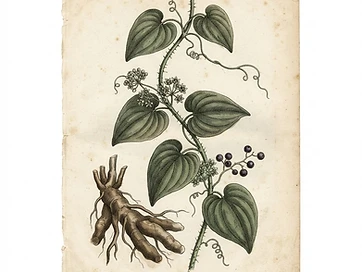
Smilax officinalis
Sarsaparilla
Smilacaceae
Earthy, sweet, slightly bitter, woody

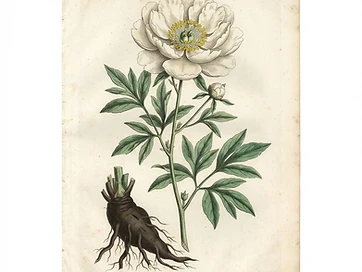
Paeonia lactiflora
White Peony
Paeoniaceae
Floral, sweet, slightly bitter, earthy


Glycyrrhiza glabra
Licorice Root
Fabaceae
Sweet, woody, anise-like