

Echinacea purpurea
Echinacea
Asteraceae
Identity
- Common Name
- Echinacea
- Scientific Name
- Echinacea purpurea
- Botanical Family
- Asteraceae
- Native Region
- North American prairies
- Cultivation Regions
- North America, Europe
- Plant Parts Used
- Root, Aerial parts (leaves and flowers)
- Synonyms
- Purple Coneflower, Eastern Purple Coneflower
- Caffeine Level
- Caffeine Free
A perennial 60–120 cm tall with sturdy stems, lance-shaped leaves, and large daisy-like flowers with drooping pink-purple petals around a bristly, dome-shaped orange-brown center. The root, leaves, and flowers are all used.
Historical Background
Echinacea was a central medicinal plant of the Plains Indigenous peoples of North America, used for wounds, toothache, and infections. It entered American eclectic medicine in the late 19th century and became, and remains, one of the best-selling immune herbs in the West.
Earliest recorded uses: Documented use by Plains tribes including the Lakota, Cheyenne, and Pawnee; adopted by eclectic physicians after the 1870s.
Cultural significance: Echinacea represents one of the most successful transfers of Indigenous North American medicine into modern herbalism; it is the model 'immune herb' of contemporary wellness culture, though evidence for its effects is mixed.
Traditional preparations:
- Root decoction
- Tincture
- Fresh-pressed juice of aerial parts
Traditional Uses
These uses document historical traditions and do not imply proven effectiveness.
Native American Traditions
Root applied to wounds and bites, and used for toothache and sore throat.
Modern Herbalism
Taken at the first sign of a cold to 'support immunity.'
Flavor & Aroma
Aroma: Earthy, floral, slightly sharp
Tea Information
Safety & Cautions
Research Summary
Echinacea is among the most studied immune herbs, but evidence for preventing or shortening colds is mixed. Some trials suggest a modest reduction in cold duration when taken at onset, while others find no benefit; preparations and species vary widely between studies. It is not a proven preventative and should not replace standard care.
Evidence levels reflect the currently available scientific literature and may change as new research emerges. Where evidence is limited or conflicting, this is stated plainly.
References & Sources
Related Herbs


Eupatorium perfoliatum
Boneset
Asteraceae
Faint, pungent and hay-like

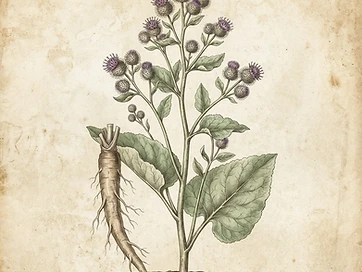
Arctium lappa
Burdock
Asteraceae
Earthy, bitter, slightly sweet, rooty

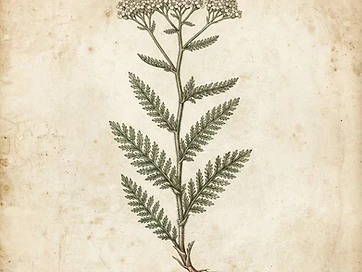
Achillea millefolium
Yarrow
Asteraceae
Herbal, bitter, slightly sweet, aromatic