
Salvia miltiorrhiza
Danshen
Lamiaceae
Identity
- Common Name
- Danshen
- Scientific Name
- Salvia miltiorrhiza
- Botanical Family
- Lamiaceae
- Native Region
- China and Japan
- Plant Parts Used
- Root
- Caffeine Level
- None
A perennial sage with square stems, divided leaves, and violet flowers. The reddish, fibrous root (Radix Salviae Miltiorrhizae) is the medicinal part.
Historical Background
Danshen has been a cornerstone of Traditional Chinese Medicine for over a thousand years, widely used in formulas for cardiovascular and circulatory health.
Earliest recorded uses: Recorded in the Shennong Ben Cao Jing; elaborated in later Materia Medica works.
Cultural significance: One of the most extensively studied Chinese herbs, danshen is used in both classical formulas and modern Chinese hospitals.
Traditional preparations:
- Root decoction
- Powdered root in formulas
Traditional Uses
These uses document historical traditions and do not imply proven effectiveness.
Traditional Chinese Medicine
Used to invigorate blood, relieve stagnation, and support the heart and liver.
Flavor & Aroma
Aroma: Mildly camphoraceous, woody
Tea Information
Safety & Cautions
Research Summary
Tanshinones and salvianolic acids show cardiovascular and antioxidant effects; some clinical use in China for angina, though evidence outside TCM settings is variable.
Evidence levels reflect the currently available scientific literature and may change as new research emerges. Where evidence is limited or conflicting, this is stated plainly.
References & Sources
Related Herbs


Ballota nigra
Black Horehound
Lamiaceae
Strong, unpleasant, herbaceous

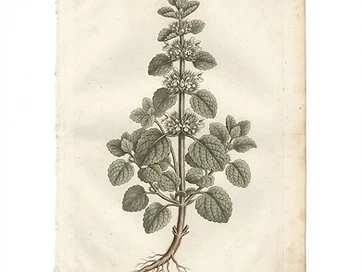
Marrubium vulgare
Horehound
Lamiaceae
Bitter, earthy, menthol-like, herbaceous


Betonica officinalis
Wood Betony
Lamiaceae
Mild, green and herbaceous