

Centaurium erythraea
Centaury
Gentianaceae
Identity
- Common Name
- Centaury
- Scientific Name
- Centaurium erythraea
- Botanical Family
- Gentianaceae
- Native Region
- Europe and western Asia
- Plant Parts Used
- Aerial parts
- Caffeine Level
- None
A slender annual or biennial with pink, five-petaled flowers in flat-topped clusters and small ovate leaves at the base.
Historical Background
Named in folklore after the centaur Chiron, who was said to have taught its use. Centaury was a staple bitter in European apothecaries and folk medicine.
Earliest recorded uses: Described by Dioscorides and in medieval European herbals as a gentle bitter tonic.
Cultural significance: Valued as a 'feeble but safe' bitter suitable for delicate constitutions in traditional European practice.
Traditional preparations:
- Cold infusion (preserves bitter principles)
- Tincture taken before meals
Traditional Uses
These uses document historical traditions and do not imply proven effectiveness.
European folk medicine
Used as a bitter tonic to stimulate appetite and support sluggish digestion.
Flavor & Aroma
Aroma: Mild, green, faintly bitter
Tea Information
Safety & Cautions
Research Summary
Contains secoiridoid glycosides responsible for bitter tonic effects; modern clinical trials are lacking.
Evidence levels reflect the currently available scientific literature and may change as new research emerges. Where evidence is limited or conflicting, this is stated plainly.
References & Sources
Related Herbs

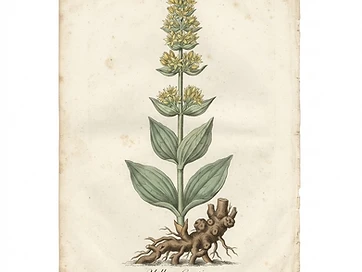
Gentiana lutea
Gentian
Gentianaceae
Intensely bitter, earthy, dry

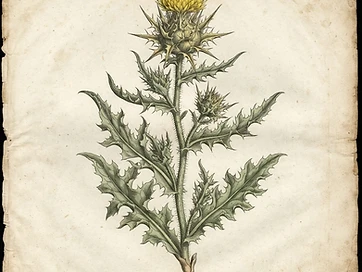
Cnicus benedictus
Blessed Thistle
Asteraceae
Bitter, herbaceous, slightly warm

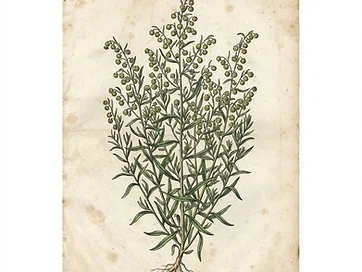
Artemisia dracunculus
Tarragon
Asteraceae
Anise-like, warm, herbaceous, slightly bittersweet