

Artemisia absinthium
Wormwood
Asteraceae
Identity
- Common Name
- Wormwood
- Scientific Name
- Artemisia absinthium
- Botanical Family
- Asteraceae
- Native Region
- Europe and the Mediterranean
- Cultivation Regions
- Europe, Asia, North Africa, temperate regions
- Plant Parts Used
- Aerial parts
- Synonyms
- Absinthe Wormwood, Green Ginger, Absinthe
- Caffeine Level
- Caffeine Free
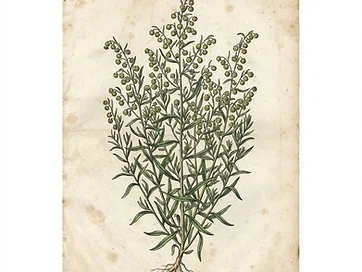
A tall perennial with deeply divided finely dissected silvery-gray-green feathery aromatic leaves and small nodding clusters of pale yellow flower heads; the aerial parts are used.
Historical Background
Wormwood has been a European and Mediterranean bitter since antiquity, its aromatic silver leaves used to dispel worms and kindle digestion, and famously to flavor absinthe. Brewed in small doses as a digestive bitter, it is a potent, thujone-containing herb that demands respect and short, cautious use.
Earliest recorded uses: European, Egyptian, and Greco-Roman traditions since antiquity; a bitter digestive and worm-dispelling herb.
Traditional preparations:
- Small-dose aerial-part infusion
- Bitter digestive tonic
- Short-term use
Traditional Uses
These uses document historical traditions and do not imply proven effectiveness.
European Traditions
Bitter digestive and worm-dispelling herb.
European Traditions
Flavoring for absinthe (separate exposure).
Flavor & Aroma
Aroma: Intensely bitter, aromatic, herbaceous, sage-like
Tea Information
Safety & Cautions
Research Summary
Wormwood has a tradition as a bitter digestive and antiparasitic; preclinical work shows antimicrobial and anti-inflammatory activity, but thujone is neurotoxic at high doses. Clinical evidence is insufficient; it is not a treatment for parasites, indigestion, or any disease, and its thujone content warrants small, short-term, cautious use.
Evidence levels reflect the currently available scientific literature and may change as new research emerges. Where evidence is limited or conflicting, this is stated plainly.
References & Sources
Related Herbs

Artemisia dracunculus
Tarragon
Asteraceae
Anise-like, warm, herbaceous, slightly bittersweet


Artemisia abrotanum
Southernwood
Asteraceae
Sharp, camphor-like, herbaceous

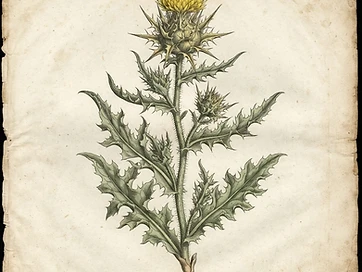
Cnicus benedictus
Blessed Thistle
Asteraceae
Bitter, herbaceous, slightly warm