
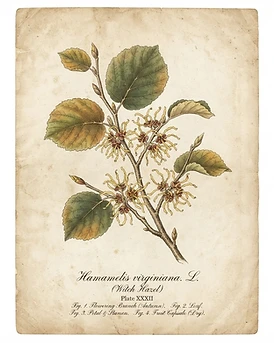
Hamamelis virginiana
Witch Hazel
Hamamelidaceae
Identity
- Common Name
- Witch Hazel
- Scientific Name
- Hamamelis virginiana
- Botanical Family
- Hamamelidaceae
- Native Region
- Eastern North America
- Cultivation Regions
- North America
- Plant Parts Used
- Bark, Leaves
- Synonyms
- Snapping Hazel, Winterbloom, Spotted Alder
- Caffeine Level
- Caffeine Free
A deciduous shrub with broad scalloped oval leaves that turn gold in autumn and spidery crinkled yellow ribbon-like flowers blooming in late fall; the bark and leaves are used.
Historical Background
Witch hazel has been an Indigenous North American astringent for centuries, the bark and leaves distilled into a legendary skin and wound remedy. Though primarily used topically, a gentle leaf or bark gargle and astringent tea have folk use for throat and veins; internal use is limited.
Earliest recorded uses: Indigenous North American traditions for centuries; an astringent skin, wound, and gargle remedy.
Traditional preparations:
- Leaf/bark infusion or decoction (limited internal)
- Throat gargle
- Topical distillate (external)
Traditional Uses
These uses document historical traditions and do not imply proven effectiveness.
Indigenous North American Traditions
Astringent skin, wound, and gargle remedy.
Modern Herbalism
Topical astringent; limited internal folk use.
Flavor & Aroma
Aroma: Mild, astringent, woody, slightly warm
Tea Information
Safety & Cautions
Research Summary
Witch hazel has a tradition as an astringent for skin, wounds, and hemorrhoids, with some folk gargle use; preclinical work shows tannin-rich astringent and mild anti-inflammatory activity. Clinical evidence for internal tea is limited; it is not a treatment for varicose veins, hemorrhoids, or any disease, and is best known as a topical astringent.
Evidence levels reflect the currently available scientific literature and may change as new research emerges. Where evidence is limited or conflicting, this is stated plainly.
References & Sources
Related Herbs

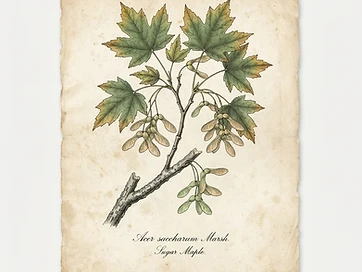
Acer saccharum
Maple Leaf
Sapindaceae
Mild, sweet, woody, slightly earthy

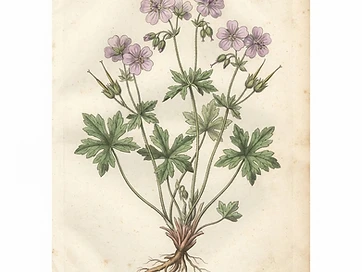
Geranium maculatum
Cranesbill
Geraniaceae
Mild, slightly astringent, green, floral


Ptychopetalum olacoides
Muira Puama
Olacaceae
Earthy, woody, slightly bitter