

Nasturtium officinale
Watercress
Brassicaceae
Identity
- Common Name
- Watercress
- Scientific Name
- Nasturtium officinale
- Botanical Family
- Brassicaceae
- Native Region
- Europe and western Asia
- Cultivation Regions
- Europe, North America, Asia
- Plant Parts Used
- Aerial parts
- Synonyms
- Cress, Watercress, True Watercress
- Caffeine Level
- Caffeine Free
A low creeping aquatic perennial with compound leaves of small rounded oval leaflets on hollow stems and tiny clusters of white four-petalled flowers; the aerial parts are used.
Historical Background
Watercress has been a peppery aquatic of European, Greek, and Persian tables for millennia, prized as a vitality food and a source of vitamin C. A gentle watercress tea is traditionally sipped for its fresh, peppery, green cup and antioxidant traditions.
Earliest recorded uses: European, Greek, and Persian traditions for millennia; a peppery aquatic and a vitality herb.
Traditional preparations:
- Aerial-part infusion
- Vitality tea
- Fresh green blend
Traditional Uses
These uses document historical traditions and do not imply proven effectiveness.
Mediterranean Traditions
Peppery aquatic vitality food.
Modern Herbalism
Antioxidant and vitality tea.
Flavor & Aroma
Aroma: Peppery, fresh, green, slightly mustard-like
Tea Information
Safety & Cautions
Research Summary
Watercress is rich in vitamin C, K, and glucosinolates with antioxidant activity. Clinical evidence for specific benefits is limited; it is not a treatment for cancer, scurvy, or any disease, and vitamin K content may interact with blood thinners.
Evidence levels reflect the currently available scientific literature and may change as new research emerges. Where evidence is limited or conflicting, this is stated plainly.
References & Sources
Related Herbs

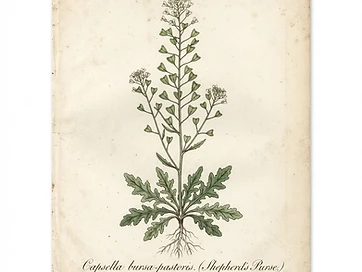
Capsella bursa-pastoris
Shepherd's Purse
Brassicaceae
Fresh, mustard-green

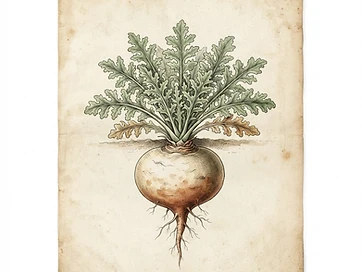
Lepidium meyenii
Maca
Brassicaceae
Earthy, slightly caramelized


Stellaria media
Chickweed
Caryophyllaceae
Mild, fresh, green, slightly earthy