

Valeriana officinalis
Valerian
Caprifoliaceae
Identity
- Common Name
- Valerian
- Scientific Name
- Valeriana officinalis
- Botanical Family
- Caprifoliaceae
- Native Region
- Europe and temperate Asia
- Cultivation Regions
- Europe, North America, Asia
- Plant Parts Used
- Root (rhizome and roots)
- Synonyms
- Garden Valerian, All-Heal
- Caffeine Level
- Caffeine Free
A tall perennial 1–1.5 m with pinnate leaves, clusters of small fragrant pale pink-white flowers, and a strong-smelling fibrous root that cats famously love. The root is the medicinal part.
Historical Background
Valerian has been Europe's principal sleep and nervine herb since antiquity — used by Greeks and Romans and prescribed for centuries for anxiety, restlessness, and insomnia. In the 20th century it became one of the most-studied herbal sedatives and remains a pharmacy staple in Europe.
Earliest recorded uses: Dioscorides and Galen; widely used in European monastic and folk medicine for nervous unrest.
Cultural significance: Valerian's pungent root — which attracts cats — was an 'all-heal' of European gardens, and its modern reputation as 'nature's valium' reflects centuries of use for sleep, though it is not a benzodiazepine and works differently.
Traditional preparations:
- Root infusion
- Tincture
- Standardized extracts
Traditional Uses
These uses document historical traditions and do not imply proven effectiveness.
Traditional European Herbalism
Root tea or tincture for sleep and nervous restlessness.
Modern Herbalism
Extracts for insomnia and mild anxiety.
Flavor & Aroma
Aroma: Strong, musky, valerian-like (some find unpleasant)
Tea Information
Safety & Cautions
Research Summary
Valerian is among the better-studied sleep herbs; several trials suggest modest improvement in sleep quality and reduced time to fall asleep, though results vary and effects are small. It is not a treatment for chronic insomnia or anxiety disorders, and should not replace prescribed therapy.
Evidence levels reflect the currently available scientific literature and may change as new research emerges. Where evidence is limited or conflicting, this is stated plainly.
References & Sources
Related Herbs


Nardostachys jatamansi
Spikenard
Caprifoliaceae
Earthy, musky, resinous, slightly sweet

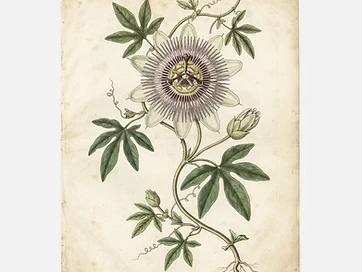
Passiflora incarnata
Passionflower
Passifloraceae
Fresh, green, mild

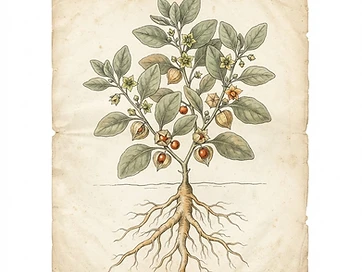
Withania somnifera
Ashwagandha
Solanaceae
Earthy, pungent, horse-like