

Curcuma longa
Turmeric
Zingiberaceae
Identity
- Common Name
- Turmeric
- Scientific Name
- Curcuma longa
- Botanical Family
- Zingiberaceae
- Native Region
- Indian subcontinent and Southeast Asia
- Cultivation Regions
- India, Southeast Asia, tropics
- Plant Parts Used
- Rhizome (root)
- Synonyms
- Indian Saffron, Haldi, Curcuma
- Caffeine Level
- Caffeine Free
A perennial 60–90 cm tall with broad lance-shaped leaves and a spike of pale flowers, grown for the knobby orange rhizome that yields the vivid golden spice. The rhizome (fresh, dried, or powdered) is used.
Historical Background
Turmeric has been a cornerstone of Ayurveda, Unani, and South Asian cuisine for over 3,000 years — a golden spice of ritual, food, and medicine, used for inflammation, skin, and digestion, and the source of the bright 'haldi doodh' (turmeric milk) tradition.
Earliest recorded uses: Ayurvedic texts (Charaka Samhita) for inflammation, skin, and respiratory conditions; used in Vedic ritual.
Cultural significance: Turmeric dyes the robes of Hindu and Buddhist monks and is central to Indian weddings and Ayurvedic medicine — a single spice straddling kitchen, temple, and clinic.
Traditional preparations:
- Rhizome decoction
- Golden milk (haldi doodh)
- Powder in food
- Paste (topical)
Traditional Uses
These uses document historical traditions and do not imply proven effectiveness.
Ayurveda
Rejuvenative for inflammation, skin, and digestion; haldi doodh (turmeric milk).
Modern Herbalism
Taken for inflammation and antioxidant support.
Flavor & Aroma
Aroma: Warm, earthy, slightly musky
Tea Information
Safety & Cautions
Research Summary
Turmeric/curcumin has been extensively studied, but most evidence is from small trials or animal work. Some trials suggest modest short-term benefit for osteoarthritis pain and inflammation markers, but effect sizes are small and absorption is poor. It is not a treatment for arthritis, cancer, or any disease.
Evidence levels reflect the currently available scientific literature and may change as new research emerges. Where evidence is limited or conflicting, this is stated plainly.
References & Sources
Related Herbs

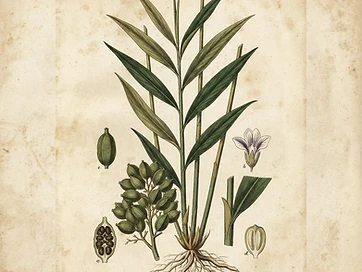
Elettaria cardamomum
Cardamom
Zingiberaceae
Sweet, floral, citrus-spice


Alpinia galanga
Galangal
Zingiberaceae
Sharp, camphoraceous, gingery

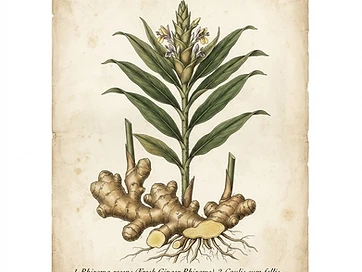
Zingiber officinale
Ginger
Zingiberaceae
Warm, pungent, citrusy-spicy.