
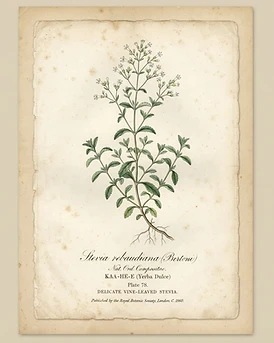
Stevia rebaudiana
Stevia
Asteraceae
Identity
- Common Name
- Stevia
- Scientific Name
- Stevia rebaudiana
- Botanical Family
- Asteraceae
- Native Region
- South America (Paraguay, Brazil)
- Cultivation Regions
- South America, Asia, tropics
- Plant Parts Used
- Leaves
- Synonyms
- Sweet Leaf, Sugar Leaf, Caa-Ehe
- Caffeine Level
- Caffeine Free
A tender perennial with small opposite lanceolate green serrated leaves and loose clusters of tiny white tubular flowers; the leaves are used.
Historical Background
Stevia has been a Guarani (South American) sweet leaf for centuries, used to sweeten mate and other drinks long before modern stevia sweeteners. Its leaves brew a clean, naturally sweet, caffeine-free cup and double as a zero-calorie sweetener for other herbal teas.
Earliest recorded uses: Guarani traditions for centuries; a sweet leaf used to sweeten teas and drinks.
Traditional preparations:
- Leaf infusion
- Sweet tea base
- Zero-calorie sweetener
Traditional Uses
These uses document historical traditions and do not imply proven effectiveness.
South American Indigenous Traditions
Guarani sweet leaf to sweeten mate and teas.
Modern Herbalism
Naturally sweet, blood-sugar-friendly cup.
Flavor & Aroma
Aroma: Sweet, clean, slightly green, licorice-like
Tea Information
Safety & Cautions
Research Summary
Stevia has a tradition as a sweet, blood-sugar-friendly leaf and tea; steviol glycosides are approved sweeteners with modest glucose-modulating data. Clinical evidence for tea is limited; it is not a treatment for diabetes, hypertension, obesity, or any disease, though it remains a gentle, naturally sweet, caffeine-free cup.
Evidence levels reflect the currently available scientific literature and may change as new research emerges. Where evidence is limited or conflicting, this is stated plainly.
References & Sources
Related Herbs

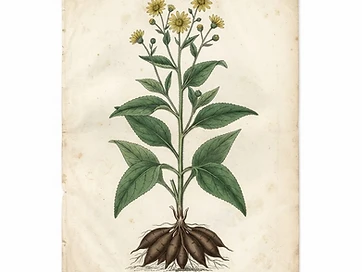
Smallanthus sonchifolius
Yacon
Asteraceae
Sweet, mild, slightly earthy, fresh


Matricaria discoidea
Pineapple Weed
Asteraceae
Sweet, apple-like, mildly chamomile, fruity

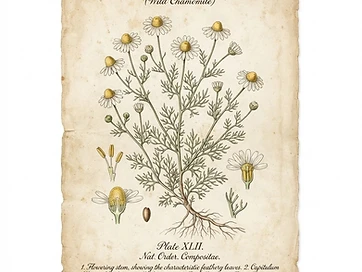
Matricaria chamomilla
Chamomile
Asteraceae
Sweet, apple-like, with soft hay and honey notes.