

Matricaria discoidea
Pineapple Weed
Asteraceae
Identity
- Common Name
- Pineapple Weed
- Scientific Name
- Matricaria discoidea
- Botanical Family
- Asteraceae
- Native Region
- North America and Europe
- Cultivation Regions
- North America, Europe, temperate regions
- Plant Parts Used
- Flower heads, Leaves
- Synonyms
- Disc Mayweed, Wild Chamomile, Rayless Chamomile
- Caffeine Level
- Caffeine Free
A low annual with finely divided feathery green leaves and small rounded cone-shaped greenish-yellow flower heads resembling tiny pineapples; the flower heads are used.
Historical Background
Pineapple weed has been a gentle European and North American wayside herb for centuries, its tiny pineapple-scented flower heads steeped into a sweet chamomile-like tea. Foragers and children alike enjoy this pleasant, calming, caffeine-free cup gathered from paths and disturbed ground.
Earliest recorded uses: European and North American folk traditions for centuries; a gentle chamomile-like wayside tea.
Traditional preparations:
- Flower-head infusion
- Calming wayside tea
- Digestive cup
Traditional Uses
These uses document historical traditions and do not imply proven effectiveness.
European Folk Traditions
Gentle calming and digestive wayside tea.
Modern Herbalism
Chamomile-like calming cup.
Flavor & Aroma
Aroma: Sweet, apple-like, mildly chamomile, fruity
Tea Information
Safety & Cautions
Research Summary
Pineapple weed has a tradition as a gentle calming, digestive, and skin tea much like chamomile (its close relative); preclinical work shows mild antispasmodic and anti-inflammatory activity. Clinical evidence is insufficient; it is not a treatment for anxiety, indigestion, or any disease, though it remains a pleasant, foraged, caffeine-free cup.
Evidence levels reflect the currently available scientific literature and may change as new research emerges. Where evidence is limited or conflicting, this is stated plainly.
References & Sources
Related Herbs

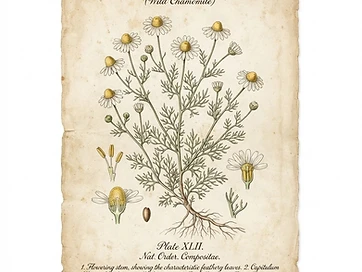
Matricaria chamomilla
Chamomile
Asteraceae
Sweet, apple-like, with soft hay and honey notes.

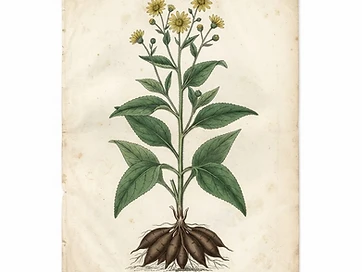
Smallanthus sonchifolius
Yacon
Asteraceae
Sweet, mild, slightly earthy, fresh


Stevia rebaudiana
Stevia
Asteraceae
Sweet, clean, slightly green, licorice-like