
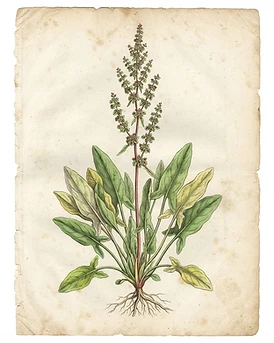
Rumex acetosa
Sorrel
Polygonaceae
Identity
- Common Name
- Sorrel
- Scientific Name
- Rumex acetosa
- Botanical Family
- Polygonaceae
- Native Region
- Europe and western Asia
- Cultivation Regions
- Europe, North America, temperate regions
- Plant Parts Used
- Leaves
- Synonyms
- Garden Sorrel, Sour Dock, Lemon Sorrel
- Caffeine Level
- Caffeine Free
A clump-forming perennial with long arrow-shaped bright green leaves with lobed bases and a tall slender spike of small reddish-green flowers; the leaves are the part used.
Historical Background
Sorrel has been a tart culinary and digestive herb of European and Mediterranean gardens for millennia, its lemony leaves brightening spring soups and teas. A gentle sorrel tea is traditionally sipped for its refreshing, cooling cup.
Earliest recorded uses: European and Mediterranean traditions for millennia; a tart culinary and digestive herb.
Traditional preparations:
- Leaf infusion
- Cooling spring tea
- Tart blend with hibiscus
Traditional Uses
These uses document historical traditions and do not imply proven effectiveness.
Traditional European Herbalism
Tart culinary and digestive spring herb.
Modern Herbalism
Cooling and refreshing tea.
Flavor & Aroma
Aroma: Tart, lemony, bright, green
Tea Information
Safety & Cautions
Research Summary
Sorrel has a tradition as a cooling, digestive herb; it is rich in vitamin C and oxalic acid. Clinical evidence is insufficient; it is not a treatment for digestive disorders, scurvy, or any disease, and oxalate content limits use in kidney stones.
Evidence levels reflect the currently available scientific literature and may change as new research emerges. Where evidence is limited or conflicting, this is stated plainly.
References & Sources
Related Herbs

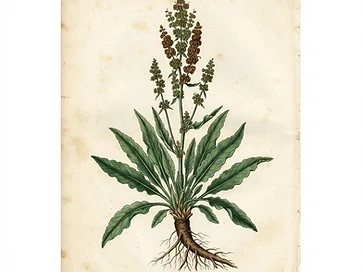
Rumex crispus
Yellow Dock
Polygonaceae
Earthy, slightly sour, tannic, dry


Polygonum multiflorum
Fo-Ti
Polygonaceae
Earthy, slightly bitter, starchy, mild


Stellaria media
Chickweed
Caryophyllaceae
Mild, fresh, green, slightly earthy