

Polygonum multiflorum
Fo-Ti
Polygonaceae
At a Glance
- Common name
- Fo-Ti
- Scientific name
- Polygonum multiflorum
- Family
- Polygonaceae
- Region
- China
- Plant part
- Root (prepared/steamed)
- Caffeine
- Caffeine Free
- Evidence
- Insufficient
- Safety review
- Safety information on file
Safety & Cautions
Safety information on fileBotanical Description
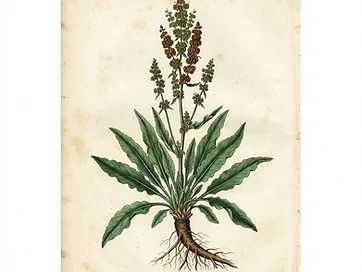
A twining climbing vine with heart-shaped dark green leaves and small clusters of white flowers; the large gnarled brown tuberous root is the prized part, traditionally steamed and dried.
Also known as: He Shou Wu, Fleeceflower Root, Ho Shou Wu
Historical Background
Fo-Ti (he shou wu, 'Mr. He's black hair') is a revered longevity root of Traditional Chinese Medicine, named after the legend of an old man whose hair and youth were restored by its daily use. The steamed root is decocted as a gentle vitality and hair tradition tea.
Earliest recorded uses: Used in TCM for centuries; a revered longevity and hair-darkening root; legend of Mr. He (He Shou Wu).
Traditional preparations:
- Prepared-root decoction
- Longevity tea with goji
- Hair & vitality blend
Traditional Uses
These uses document historical traditions and do not imply proven effectiveness.
Traditional Chinese Medicine
Longevity and hair-darkening root; legend of Mr. He.
Modern Herbalism
Vitality and hair-tradition tea.
Flavor & Aroma
Aroma: Earthy, slightly bitter, starchy, mild
Tea Preparation
Modern Evidence
Fo-Ti has a TCM tradition for longevity and hair; raw, unprocessed root has caused serious drug-induced liver injury in case reports, so prepared root and duration limits are advised. Clinical evidence is insufficient and it is not a treatment for hair loss, aging, or any disease.
Evidence levels describe the state of research for the traditional use discussed here, not a recommendation. Historical use does not imply effectiveness.
Related Herbs



Entry last updated August 4, 2026