


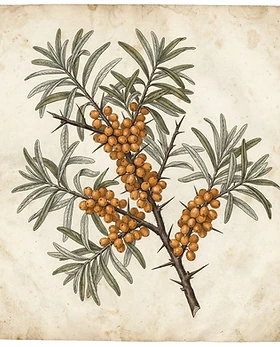
Hippophae rhamnoides
Sea Buckthorn
Elaeagnaceae
Identity
- Common Name
- Sea Buckthorn
- Scientific Name
- Hippophae rhamnoides
- Botanical Family
- Elaeagnaceae
- Native Region
- Europe and the Himalayas
- Cultivation Regions
- Himalayas, Northern Europe, China, Canada
- Plant Parts Used
- Berries
- Synonyms
- Sandthorn, Sea Berry, Holy Fruit
- Caffeine Level
- Caffeine Free
A thorny deciduous shrub with narrow silver-green lance-shaped leaves covered in silvery scales, and dense clusters of small round bright orange berries rich in vitamin C and oils; the berries are the part used.
Historical Background
Sea buckthorn has been a 'holy fruit' of Tibetan, Mongolian, and Himalayan medicine for centuries, prized for its bright orange vitamin-C-rich berries and seed oils. Its tart, citrus-like tea is a winter staple across northern Eurasia.
Earliest recorded uses: Tibetan, Mongolian, and Himalayan traditions for centuries; a sacred 'holy fruit' rich in oils and vitamin C.
Traditional preparations:
- Berry infusion/decoction
- Vitamin-C winter tea with rose hips
- Skin & vitality blend
Traditional Uses
These uses document historical traditions and do not imply proven effectiveness.
Tibetan Medicine
'Holy fruit' of vitality, skin, and winter wellness.
Modern Herbalism
Antioxidant and vitamin-C-rich berry tea.
Flavor & Aroma
Aroma: Tart, fruity, citrus-like, slightly sweet
Tea Information
Safety & Cautions
Research Summary
Sea buckthorn is a rich source of vitamin C, flavonoids, and omega oils. Clinical evidence is limited; preclinical work shows antioxidant and skin-support activity, but it is not a treatment for dermatitis, cardiovascular disease, or any condition.
Evidence levels reflect the currently available scientific literature and may change as new research emerges. Where evidence is limited or conflicting, this is stated plainly.
References & Sources
Related Herbs

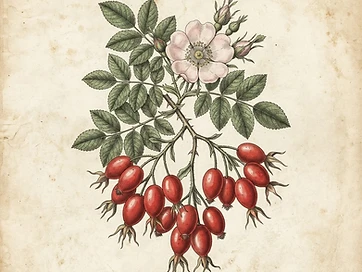
Rosa canina
Rose Hips
Rosaceae
Tart, fruity, slightly floral

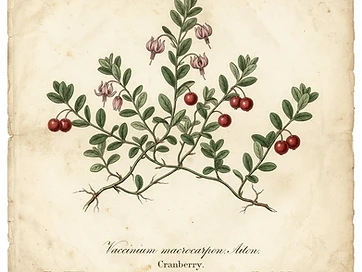
Vaccinium macrocarpon
Cranberry
Ericaceae
Fresh, fruity, sharp


Anethum graveolens
Dill
Apiaceae
Fresh, grassy, slightly sweet, citrus-like