

Vaccinium macrocarpon
Cranberry
Ericaceae
Identity
- Common Name
- Cranberry
- Scientific Name
- Vaccinium macrocarpon
- Botanical Family
- Ericaceae
- Native Region
- North America
- Cultivation Regions
- North America, Europe
- Plant Parts Used
- Berries, Juice, Leaves (traditional)
- Synonyms
- American Cranberry, Large Cranberry, Bearberry (in some regions)
- Caffeine Level
- Caffeine Free
A low creeping evergreen vine with small oval leaves, delicate pink nodding bell-shaped flowers, and round tart red berries. The berries are the principal medicinal and culinary part.
Historical Background
Used by Native American peoples and early settlers as food and medicine; cranberry became one of the best-studied botanicals for urinary tract support, especially as juice and extracts.
Earliest recorded uses: Urinary comfort, kidney concerns, and as a nutrient-dense food.
Cultural significance: A North American icon of autumn harvests and a modern staple of urinary-tract wellness products.
Indigenous
Native American groups use cranberry as food and medicine.
Modern
Proanthocyanidins studied for prevention of bacterial adhesion in the urinary tract.
Traditional preparations:
- Berry infusion
- Diluted juice
- Leaf tea (traditional)
Traditional Uses
These uses document historical traditions and do not imply proven effectiveness.
Native American Traditions
Berries and leaves used for urinary and general wellness.
Modern Herbalism
Juice, extracts, and infusions used to support urinary tract comfort.
Flavor & Aroma
Aroma: Fresh, fruity, sharp
Tea Information
Safety & Cautions
Research Summary
A-type proanthocyanidins reduce bacterial adhesion to urinary tract cells; randomized trials support a preventive role for recurrent UTI, though evidence for treating an active infection is lacking.
Evidence levels reflect the currently available scientific literature and may change as new research emerges. Where evidence is limited or conflicting, this is stated plainly.
References & Sources
References & Sources
- NCCIH · Cranberry — for urinary tract and other conditions (various)
Related Herbs


Vaccinium myrtillus
Bilberry
Ericaceae
Fruity, slightly tart, green, earthy


Arctostaphylos uva-ursi
Uva Ursi
Ericaceae
Astringent, earthy, green, mildly bitter

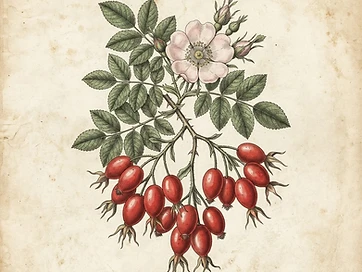
Rosa canina
Rose Hips
Rosaceae
Tart, fruity, slightly floral