
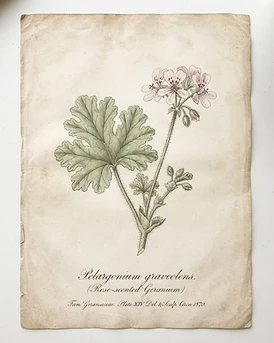
Pelargonium graveolens
Rose Geranium
Geraniaceae
Identity
- Common Name
- Rose Geranium
- Scientific Name
- Pelargonium graveolens
- Botanical Family
- Geraniaceae
- Native Region
- South Africa
- Cultivation Regions
- South Africa, Mediterranean, temperate gardens
- Plant Parts Used
- Leaves
- Synonyms
- Scented Geranium, Rose-Scented Geranium
- Caffeine Level
- Caffeine Free
An aromatic shrub with softly lobed rounded hairy leaves with deeply divided edges and small clusters of delicate pale pink five-petalled flowers; the leaves are used.
Historical Background
Rose geranium has been a fragrant herb of South African and European gardens for centuries, its rose-scented leaves steeped into a delicate floral tea and used to scent other teas. A favorite of Victorian gardens, it brews a soft, caffeine-free rose cup.
Earliest recorded uses: South African and European traditions for centuries; a fragrant rose-scented leaf tea and scenting herb.
Traditional preparations:
- Leaf infusion
- Rose-scented tea blend
- Culinary scenting
Traditional Uses
These uses document historical traditions and do not imply proven effectiveness.
European Folk Traditions
Fragrant calming and skin tea.
Modern Herbalism
Gentle floral and hormonal cup.
Flavor & Aroma
Aroma: Sweet floral rose, citrus, slightly green
Tea Information
Safety & Cautions
Research Summary
Rose geranium has a tradition as a fragrant calming, skin, and hormonal tea; preclinical work shows antioxidant and antimicrobial activity from geraniol. Clinical evidence is insufficient; it is not a treatment for anxiety, skin disease, or any disease, though it remains a gentle, floral, caffeine-free cup.
Evidence levels reflect the currently available scientific literature and may change as new research emerges. Where evidence is limited or conflicting, this is stated plainly.
References & Sources
Related Herbs

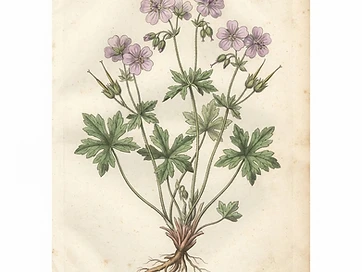
Geranium maculatum
Cranesbill
Geraniaceae
Mild, slightly astringent, green, floral


Trifolium pratense
Red Clover
Fabaceae
Mild, sweet, floral, grassy


Citrus hystrix
Makrut Lime Leaf
Rutaceae
Citrus, lime, floral, slightly peppery