
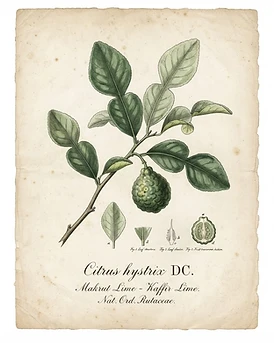
Citrus hystrix
Makrut Lime Leaf
Rutaceae
Identity
- Common Name
- Makrut Lime Leaf
- Scientific Name
- Citrus hystrix
- Botanical Family
- Rutaceae
- Native Region
- Southeast Asia
- Cultivation Regions
- Southeast Asia, tropics
- Plant Parts Used
- Leaves, Fruit zest
- Synonyms
- Kaffir Lime, Makrut Lime, Thai Lime
- Caffeine Level
- Caffeine Free
An evergreen tree with distinctive hourglass-shaped glossy deep green leaves and a small bumpy dark-green-skinned lime fruit; the leaves and fruit zest are used.
Historical Background
Makrut (kaffir) lime leaf has been a fragrant staple of Southeast Asian cuisine for centuries, its distinctive hourglass leaves steeped into teas, curries, and broths for a bright citrus aroma. A beloved Thai, Indonesian, and Malaysian flavor, it brews a clean, caffeine-free citrus cup.
Earliest recorded uses: Southeast Asian culinary traditions for centuries; a fragrant citrus leaf and zest.
Traditional preparations:
- Bruised-leaf infusion
- Citrus tea blend
- Culinary flavoring
Traditional Uses
These uses document historical traditions and do not imply proven effectiveness.
Southeast Asian Traditions
Fragrant Southeast Asian citrus leaf tea.
Modern Herbalism
Bright caffeine-free digestive cup.
Flavor & Aroma
Aroma: Citrus, lime, floral, slightly peppery
Tea Information
Safety & Cautions
Research Summary
Makrut lime leaf has a tradition as a fragrant digestive and aromatic tea; preclinical work shows antioxidant and antimicrobial activity from citrus essential oils. Clinical evidence is insufficient; it is not a treatment for indigestion, infection, or any disease, though it remains a bright, fragrant, caffeine-free cup.
Evidence levels reflect the currently available scientific literature and may change as new research emerges. Where evidence is limited or conflicting, this is stated plainly.
References & Sources
Related Herbs

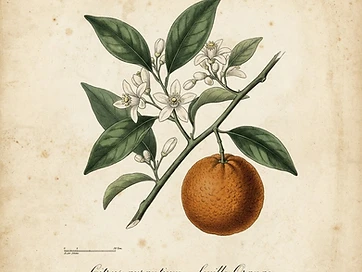
Citrus aurantium
Seville Orange
Rutaceae
Citrus, bitter-orange, floral, slightly spicy


Citrus limon
Lemon Peel
Rutaceae
Bright, citrus, zesty, slightly sweet

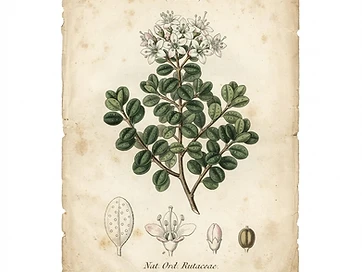
Agathosma betulina
Buchu
Rutaceae
Sharp, fruity, herbaceous