

Citrus limon
Lemon Peel
Rutaceae
Identity
- Common Name
- Lemon Peel
- Scientific Name
- Citrus limon
- Botanical Family
- Rutaceae
- Native Region
- South Asia (cultivated worldwide)
- Cultivation Regions
- Mediterranean, California, Argentina, worldwide (subtropics)
- Plant Parts Used
- Peel (zest)
- Synonyms
- Lemon Zest, Citrus Peel, Limone
- Caffeine Level
- Caffeine Free
A small evergreen citrus tree with glossy oval pointed dark green leaves, small white fragrant flowers, and bright yellow bumpy-skinned lemon fruit; the peel (zest) is the part used.
Historical Background
Lemon peel has flavored Mediterranean, Arab, and Asian drinks for millennia, prized for its bright zest and vitamin C. A staple of cold-season and herbal blends, the dried peel brews a cheerful, citrus cup that lifts any tea.
Earliest recorded uses: Used in Mediterranean, Arab, and Asian traditions for millennia; both food and medicinal peel.
Traditional preparations:
- Dried peel infusion
- Cold-season blend with ginger
- Citrus-mint iced tea
Traditional Uses
These uses document historical traditions and do not imply proven effectiveness.
Mediterranean Traditions
Bright citrus zest for cold-season and digestion.
Modern Herbalism
Flavorful antioxidant tea accent.
Flavor & Aroma
Aroma: Bright, citrus, zesty, slightly sweet
Tea Information
Safety & Cautions
Research Summary
Lemon peel is a rich source of vitamin C, flavonoids, and d-limonene. Clinical evidence for specific health benefits is limited; it is not a treatment for cold, scurvy, or any disease, though it remains a popular, flavorful, antioxidant tea ingredient.
Evidence levels reflect the currently available scientific literature and may change as new research emerges. Where evidence is limited or conflicting, this is stated plainly.
References & Sources
Related Herbs

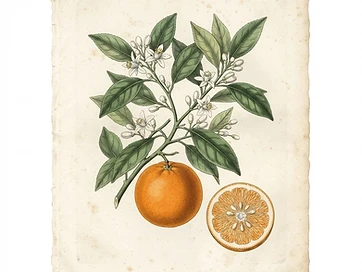
Citrus sinensis
Orange Peel
Rutaceae
Sweet citrus, zesty, warm, slightly floral

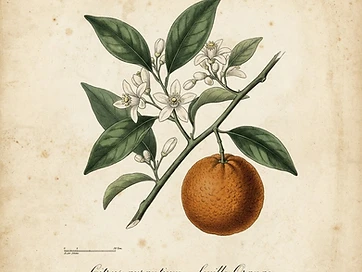
Citrus aurantium
Seville Orange
Rutaceae
Citrus, bitter-orange, floral, slightly spicy


Citrus hystrix
Makrut Lime Leaf
Rutaceae
Citrus, lime, floral, slightly peppery