

Cucurbita pepo
Pumpkin Seed
Cucurbitaceae
Identity
- Common Name
- Pumpkin Seed
- Scientific Name
- Cucurbita pepo
- Botanical Family
- Cucurbitaceae
- Native Region
- North America (Cucurbita pepo origin)
- Cultivation Regions
- Worldwide temperate
- Plant Parts Used
- Seeds
- Synonyms
- Pepita, Pumpkin Seed Kernel
- Caffeine Level
- Caffeine Free
The flat oval white-to-green seeds of the pumpkin, eaten as food and used traditionally for prostate and urinary support; rich in phytosterols, zinc, and cucurbitin.
Historical Background
Pumpkin seeds have been a Native American food and remedy for centuries; in the 20th century they drew European research interest for prostate and urinary comfort.
Earliest recorded uses: Prostate and urinary comfort, worm expulsant (traditional), and as a nutrient food.
Cultural significance: A global snack food whose medicinal reputation for prostate support made it a staple of modern men's-wellness blends.
Indigenous
Native American use as food and for worm and urinary complaints.
Modern
European research interest in pumpkin seed for prostate symptoms.
Traditional preparations:
- Roasted seeds (food)
- Seed infusion/decoction
- Pressed seed oil
Traditional Uses
These uses document historical traditions and do not imply proven effectiveness.
Native American Traditions
Seeds eaten for urinary comfort and as a vermifuge.
Modern Herbalism
Seed preparations for prostate and urinary comfort.
Flavor & Aroma
Aroma: Nutty, warm
Tea Information
Safety & Cautions
Research Summary
Phytosterols and cucurbitin are studied for BPH symptoms and urinary flow; some trials suggest modest benefit, though evidence is limited.
Evidence levels reflect the currently available scientific literature and may change as new research emerges. Where evidence is limited or conflicting, this is stated plainly.
References & Sources
References & Sources
- NIH Office of Dietary Supplements · Zinc and men's health background (various)
Related Herbs

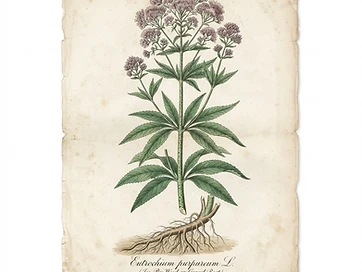
Eutrochium purpureum
Gravel Root
Asteraceae
Faint, hay-like, earthy

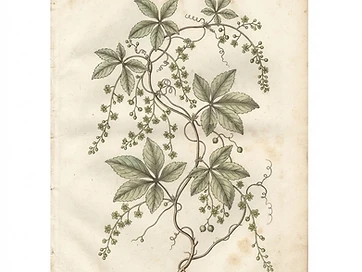
Gynostemma pentaphyllum
Jiaogulan
Cucurbitaceae
Mild, slightly sweet, green, beany


Momordica charantia
Cerasee
Cucurbitaceae
Bitter, green, earthy, slightly metallic