
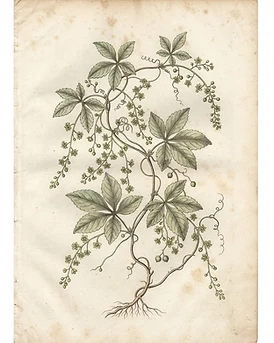
Gynostemma pentaphyllum
Jiaogulan
Cucurbitaceae
Identity
- Common Name
- Jiaogulan
- Scientific Name
- Gynostemma pentaphyllum
- Botanical Family
- Cucurbitaceae
- Native Region
- Southern China and Southeast Asia
- Cultivation Regions
- Southern China, Vietnam, Thailand, Japan
- Plant Parts Used
- Leaves
- Synonyms
- Immortality Herb, Southern Ginseng, Xiancao
- Caffeine Level
- Caffeine Free
A slender climbing vine with compound leaves of five oval serrated leaflets arranged like a hand, and trailing clusters of small greenish-yellow five-petalled flowers; the leaves are the part used.
Historical Background
Jiaogulan ('immortality herb') has been a folk tea of southern China's mountainous Guizhou for centuries, drunk for daily vitality and longevity. Its five-leafed vine brews a gentle, sweet cup, earning it the modern nickname 'southern ginseng.'
Earliest recorded uses: Used in southern Chinese folk medicine for centuries; 'immortality herb' of mountainous Guizhou; popularized in modern times as a ginseng-like adaptogen.
Traditional preparations:
- Leaf infusion
- Daily vitality tea
- Adaptogen blend with jujube
Traditional Uses
These uses document historical traditions and do not imply proven effectiveness.
Traditional Chinese Medicine
Daily vitality and longevity tea; 'immortality herb' of Guizhou.
Modern Herbalism
Adaptogen and antioxidant tea.
Flavor & Aroma
Aroma: Mild, slightly sweet, green, beany
Tea Information
Safety & Cautions
Research Summary
Jiaogulan has a tradition as an adaptogen and antioxidant tea. Clinical evidence is limited; preclinical work shows antioxidant and metabolic activity, but it is not a treatment for diabetes, cholesterol, fatigue, or any disease.
Evidence levels reflect the currently available scientific literature and may change as new research emerges. Where evidence is limited or conflicting, this is stated plainly.
References & Sources
Related Herbs

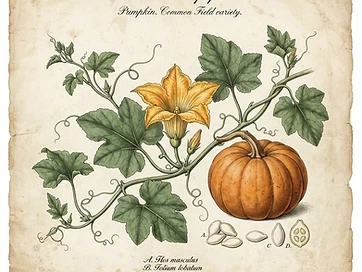
Cucurbita pepo
Pumpkin Seed
Cucurbitaceae
Nutty, warm


Momordica charantia
Cerasee
Cucurbitaceae
Bitter, green, earthy, slightly metallic

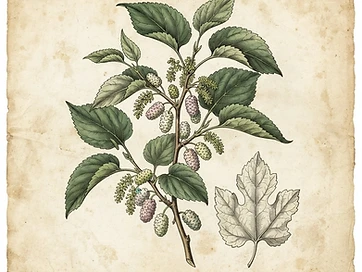
Morus alba
White Mulberry Leaf
Moraceae
Mild, slightly sweet, green, earthy