
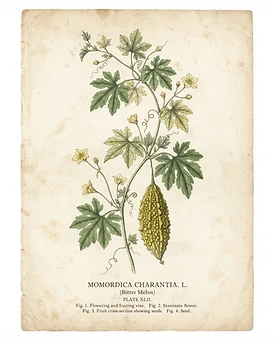
Momordica charantia
Cerasee
Cucurbitaceae
Identity
- Common Name
- Cerasee
- Scientific Name
- Momordica charantia
- Botanical Family
- Cucurbitaceae
- Native Region
- Tropical Asia and Africa
- Cultivation Regions
- Tropics worldwide
- Plant Parts Used
- Leaves, Young fruit
- Synonyms
- Bitter Melon, Bitter Gourd, Cerasee Bush
- Caffeine Level
- Caffeine Free
A climbing vine with deeply lobed palmate leaves, small yellow flowers, and a warty elongated green-yellow gourd fruit; the leaves and young fruit are used.
Historical Background
Cerasee (bitter melon) has been a Caribbean, Asian, and African folk herb for centuries, its leaves and fruit brewed into a bitter 'blood-purifying' and digestive tea. In the Caribbean, 'cerasee bush tea' is a cultural household cup, sipped for cold season and cleansing traditions.
Earliest recorded uses: Caribbean, Asian, and African traditions for centuries; a bitter 'blood-purifying' and digestive leaf tea.
Traditional preparations:
- Leaf infusion
- Cerasee bush tea
- Fruit decoction
Traditional Uses
These uses document historical traditions and do not imply proven effectiveness.
Caribbean Folk Traditions
Bitter 'blood-purifying' and cold-season cup.
Asian Traditions
Blood-sugar and digestive bitter tea.
Flavor & Aroma
Aroma: Bitter, green, earthy, slightly metallic
Tea Information
Safety & Cautions
Research Summary
Cerasee has a tradition as a bitter digestive, 'blood-purifying,' and blood-sugar tea; preclinical and small trials show modest glucose-lowering and antioxidant activity. Clinical evidence is insufficient; it is not a treatment for diabetes, infection, or any disease, though it remains a culturally important bitter cup.
Evidence levels reflect the currently available scientific literature and may change as new research emerges. Where evidence is limited or conflicting, this is stated plainly.
References & Sources
Related Herbs

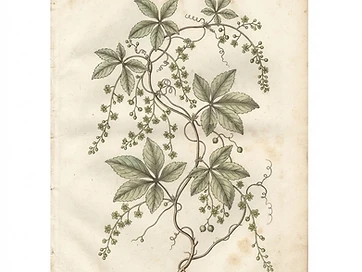
Gynostemma pentaphyllum
Jiaogulan
Cucurbitaceae
Mild, slightly sweet, green, beany

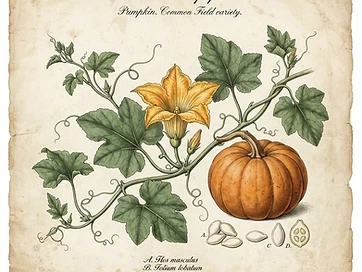
Cucurbita pepo
Pumpkin Seed
Cucurbitaceae
Nutty, warm

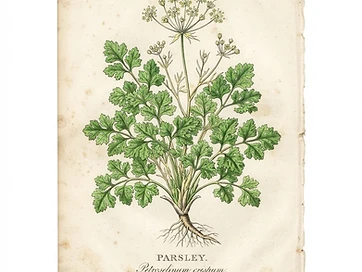
Petroselinum crispum
Parsley
Apiaceae
Fresh, grassy, green