
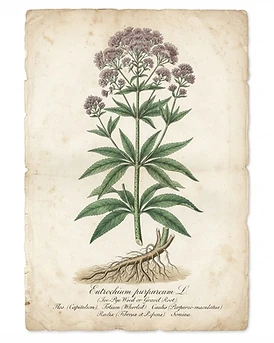
Eutrochium purpureum
Gravel Root
Asteraceae
Identity
- Common Name
- Gravel Root
- Scientific Name
- Eutrochium purpureum
- Botanical Family
- Asteraceae
- Native Region
- Eastern North America
- Cultivation Regions
- North America
- Plant Parts Used
- Root
- Synonyms
- Joe-Pye Weed, Purple Boneset, Queen of the Meadow
- Caffeine Level
- Caffeine Free
A tall native perennial with whorls of lance-shaped green leaves and large domed clusters of fluffy pinkish-purple flowers; the stout root is the medicinal part, traditionally used for kidney 'gravel'.
Historical Background
Named for its traditional use in passing kidney 'gravel' (stones), gravel root was a Native American and Eclectic favorite for urinary and gouty complaints, and is said to be named after a Native healer, Joe Pye.
Earliest recorded uses: Kidney stones, urinary discomfort, gout, and fever.
Cultural significance: A classic North American urinary remedy; Joe-Pye weed is also a beloved late-summer garden wildflower.
Indigenous
Native American use for urinary and feverish complaints.
19th century
Eclectic physicians prescribe it for 'gravel' and gout.
Traditional preparations:
- Root decoction
- Tincture
Traditional Uses
These uses document historical traditions and do not imply proven effectiveness.
Native American Traditions
Root decoction for kidney stones and urinary soothing.
Modern Herbalism
Used for urinary and prostate comfort.
Flavor & Aroma
Aroma: Faint, hay-like, earthy
Tea Information
Safety & Cautions
Research Summary
Used on traditional grounds; modern clinical evidence is lacking.
Evidence levels reflect the currently available scientific literature and may change as new research emerges. Where evidence is limited or conflicting, this is stated plainly.
References & Sources
References & Sources
- American Herbal Products Association · Botanical Safety Handbook (2013)
Related Herbs

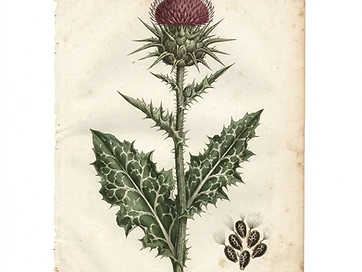
Silybum marianum
Milk Thistle
Asteraceae
Mild, slightly nutty, earthy, green


Cynara cardunculus
Artichoke Leaf
Asteraceae
Mild, slightly bitter, green, earthy


Carthamus tinctorius
Safflower
Asteraceae
Mild, slightly bitter, green