
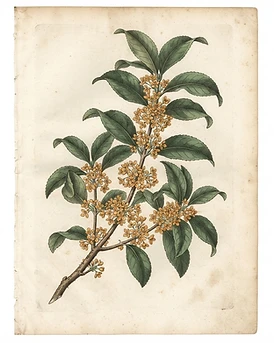
Osmanthus fragrans
Osmanthus
Oleaceae
Identity
- Common Name
- Osmanthus
- Scientific Name
- Osmanthus fragrans
- Botanical Family
- Oleaceae
- Native Region
- East Asia (China)
- Cultivation Regions
- China, Japan, Taiwan
- Plant Parts Used
- Flowers
- Synonyms
- Gui Hua, Sweet Osmanthus, Fragrant Olive
- Caffeine Level
- Caffeine Free
An evergreen shrub or small tree with leathery oval finely toothed dark green leaves and clusters of tiny intensely fragrant apricot-orange four-petalled flowers; the flowers are infused for tea and scent.
Historical Background
Osmanthus (gui hua, 'sweet osmanthus') has perfumed Chinese gardens and tea for over 2,000 years, its apricot-sweet blossoms prized by Tang poets and emperors. Brewed alone or with green or oolong tea, osmanthus tea is a fragrant celebration of autumn in Chinese culture.
Earliest recorded uses: Used in Chinese tea and cuisine for over 2,500 years; a prized flavoring for wine and tea since the Tang dynasty.
Traditional preparations:
- Scented green/oolong tea
- Osmanthus-infused honey
- Floral apricot tea
Traditional Uses
These uses document historical traditions and do not imply proven effectiveness.
Traditional Chinese Medicine
Fragrant tea for warmth, digestion, and mood; autumn celebration.
Modern Herbalism
Calming aromatic floral tea.
Flavor & Aroma
Aroma: Apricot, floral, sweet, buttery
Tea Information
Safety & Cautions
Research Summary
Osmanthus has a long tradition as a fragrant, calming tea and flavoring. Preclinical work shows antioxidant and mild anti-inflammatory activity, but clinical evidence is limited and it is not a treatment for any disease.
Evidence levels reflect the currently available scientific literature and may change as new research emerges. Where evidence is limited or conflicting, this is stated plainly.
References & Sources
Related Herbs


Jasminum sambac
Jasmine
Oleaceae
Sweet, floral, heady, exotic

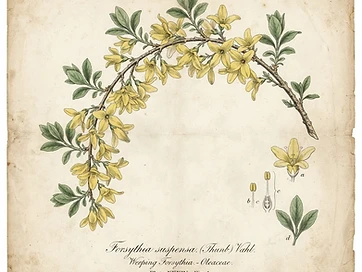
Forsythia suspensa
Forsythia
Oleaceae
Faint, clean and floral-green

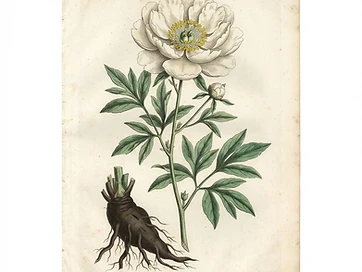
Paeonia lactiflora
White Peony
Paeoniaceae
Floral, sweet, slightly bitter, earthy