

Morinda citrifolia
Noni
Rubiaceae
Identity
- Common Name
- Noni
- Scientific Name
- Morinda citrifolia
- Botanical Family
- Rubiaceae
- Native Region
- Southeast Asia and Polynesia
- Cultivation Regions
- Polynesia, Southeast Asia, tropics worldwide
- Plant Parts Used
- Fruit, Leaves
- Synonyms
- Indian Mulberry, Nonu, Cheesefruit
- Caffeine Level
- Caffeine Free
A small tropical evergreen tree with large glossy oval dark green leaves, small white tubular flowers, and a bumpy ovoid yellow-white compound fruit (noni fruit); the fruit and leaves are used.
Historical Background
Noni has been a Polynesian 'canoe plant' for over 2,000 years, carried by voyagers across the Pacific as a vitality fruit and leaf. Its pungent fruit and leaves brew a traditional tea sipped for energy and joint comfort, though strong claims remain unproven and high-potassium content limits some uses.
Earliest recorded uses: Polynesian and Southeast Asian traditions for over 2,000 years; a 'canoe plant' of voyagers and a vitality fruit.
Traditional preparations:
- Leaf infusion
- Vitality tea with ginger
- Fermented fruit tonic
Traditional Uses
These uses document historical traditions and do not imply proven effectiveness.
Polynesian Traditions
Polynesian 'canoe plant' of vitality and joint comfort.
Modern Herbalism
Vitality and antioxidant tea (limit use).
Flavor & Aroma
Aroma: Strong, fruity-pungent, slightly cheesy
Tea Information
Safety & Cautions
Research Summary
Noni has a Polynesian tradition for vitality and joint comfort; despite marketing claims, clinical evidence is insufficient and it is not a treatment for cancer, arthritis, diabetes, or any disease. High potassium limits use in kidney disease and with potassium-sparing drugs.
Evidence levels reflect the currently available scientific literature and may change as new research emerges. Where evidence is limited or conflicting, this is stated plainly.
References & Sources
Related Herbs


Uncaria tomentosa
Cat's Claw
Rubiaceae
Woody, earthy, slightly bitter, herbal

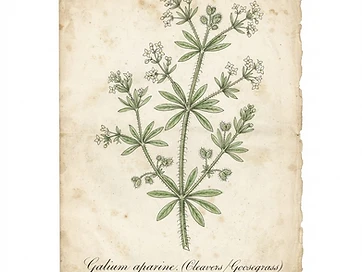
Galium aparine
Cleavers
Rubiaceae
Fresh, green, slightly grassy, mild

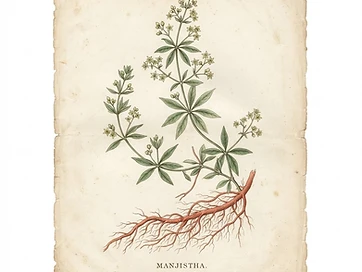
Rubia cordifolia
Manjistha
Rubiaceae
Earthy, slightly bitter, herbaceous