
Moringa oleifera
Moringa
Moringaceae
Identity
- Common Name
- Moringa
- Scientific Name
- Moringa oleifera
- Botanical Family
- Moringaceae
- Native Region
- India and the Himalayas
- Cultivation Regions
- India, Africa, Southeast Asia, tropics
- Plant Parts Used
- Leaves
- Synonyms
- Drumstick Tree, Miracle Tree, Horseradish Tree
- Caffeine Level
- Caffeine Free
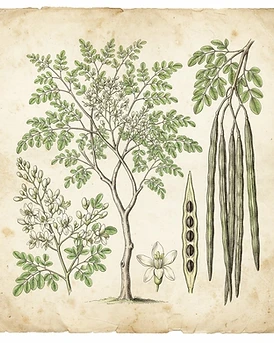
A slender tropical tree with tripinnate compound leaves of small oval bright green leaflets, drooping clusters of small white fragrant flowers, and long drumstick-shaped seed pods; the leaves are the part used.
Historical Background
Moringa ('drumstick tree,' 'miracle tree') has been a revered tree of Ayurvedic and African nutrition for millennia, its leaves a dense source of vitamins, minerals, and protein. A gentle, slightly peppery leaf tea is sipped for vitality and antioxidant traditions.
Earliest recorded uses: Used in Ayurvedic and African traditions for millennia; a 'miracle tree' of nutrition and vitality.
Traditional preparations:
- Leaf infusion
- Vitality tea with ginger
- Green antioxidant blend
Traditional Uses
These uses document historical traditions and do not imply proven effectiveness.
Ayurveda
'Miracle tree' of nutrition and vitality.
Modern Herbalism
Antioxidant and vitality tea.
Flavor & Aroma
Aroma: Mild, slightly peppery, green, earthy
Tea Information
Safety & Cautions
Research Summary
Moringa is a rich source of vitamins, minerals, and antioxidants. Clinical evidence for specific benefits is limited; it is not a treatment for malnutrition, diabetes, hypertension, or any disease, and high doses may interact with blood-sugar, blood-pressure, and thyroid therapy.
Evidence levels reflect the currently available scientific literature and may change as new research emerges. Where evidence is limited or conflicting, this is stated plainly.
References & Sources
Related Herbs


Nelumbo nucifera
Sacred Lotus
Nelumbonaceae
Mild, slightly sweet, green, earthy


Symphytum officinale
Comfrey
Boraginaceae
Mild, slightly cucumber-like, green, earthy

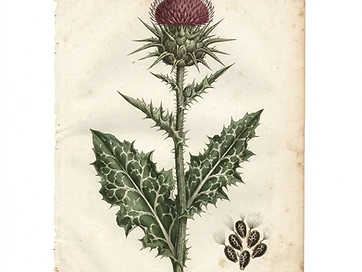
Silybum marianum
Milk Thistle
Asteraceae
Mild, slightly nutty, earthy, green