

Hericium erinaceus
Lion's Mane
Hericiaceae
Identity
- Common Name
- Lion's Mane
- Scientific Name
- Hericium erinaceus
- Botanical Family
- Hericiaceae
- Native Region
- Temperate hardwood forests (North America, Europe, East Asia)
- Cultivation Regions
- North America, Europe, East Asia (cultivated)
- Plant Parts Used
- Fruiting body, Mycelium
- Synonyms
- Yamabushitake, Hou Tou Gu, Bearded Tooth
- Caffeine Level
- Caffeine Free
A distinctive edible fungus growing on hardwoods, forming a rounded white cluster of long, soft, cascading spines (teeth) rather than gills, giving it the look of a white mane or waterfall.
Historical Background
Lion's mane has been a treasured edible and medicinal mushroom in East Asian tradition, prized by monks and herbalists for the mind and nervous system. Its cascading white spines resemble a lion's mane, and its mild, seafood-like flavor makes it a gentle base for decoctions and broths.
Earliest recorded uses: Traditional in East Asian cuisine and medicine; a prized edible and brain tonic in TCM and Japanese tradition.
Traditional preparations:
- Long decoction of dried pieces
- Broth with ginger
- Dual extract (off-tea)
Traditional Uses
These uses document historical traditions and do not imply proven effectiveness.
Traditional Chinese Medicine
Tonic for the five organs, digestion, and nervous system; calming tea.
Modern Herbalism
Nervous-system and cognitive support; adaptogen.
Flavor & Aroma
Aroma: Mild, umami, seafood-like, slightly sweet
Tea Information
Safety & Cautions
Research Summary
Lion's mane has a tradition as a nervous-system and cognitive tonic. Early small trials and preclinical work suggest possible benefits for mood and cognition, but evidence is limited and it is not a treatment for dementia, cognitive impairment, anxiety, or any disease.
Evidence levels reflect the currently available scientific literature and may change as new research emerges. Where evidence is limited or conflicting, this is stated plainly.
References & Sources
Related Herbs

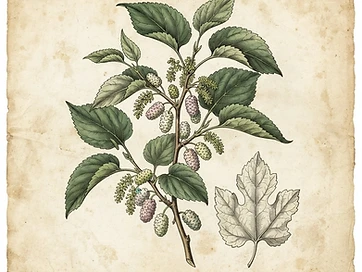
Morus alba
White Mulberry Leaf
Moraceae
Mild, slightly sweet, green, earthy

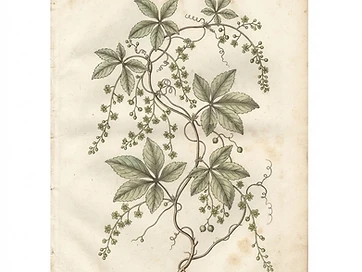
Gynostemma pentaphyllum
Jiaogulan
Cucurbitaceae
Mild, slightly sweet, green, beany

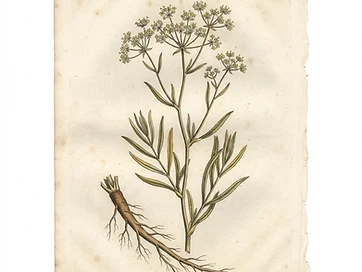
Bupleurum chinense
Bupleurum
Apiaceae
Mild, slightly sweet, bittersweet, green