
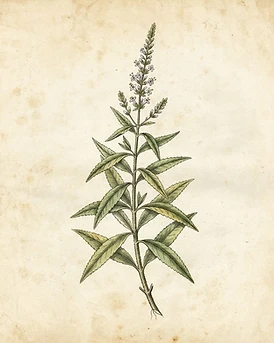
Aloysia citrodora
Lemon Verbena
Verbenaceae
Identity
- Common Name
- Lemon Verbena
- Scientific Name
- Aloysia citrodora
- Botanical Family
- Verbenaceae
- Native Region
- South America (Chile, Argentina, Peru)
- Cultivation Regions
- South America, Mediterranean, France, North Africa
- Plant Parts Used
- Leaves
- Synonyms
- Aloysia triphylla, Verbena, Cedrón
- Caffeine Level
- Caffeine Free
An aromatic deciduous shrub up to 2-3 m tall with narrow, lance-shaped, lightly toothed leaves arranged in whorls of three or four, and slender spikes of tiny pale-lilac tubular flowers. The leaves release an intense lemon scent when bruised.
Historical Background
Native to South America, lemon verbena was brought to Europe by Spanish and Portuguese explorers in the 17th century and quickly became a beloved garden and infusion herb in France and the Mediterranean, prized for its intense, lingering lemon fragrance and reputation as a gentle digestive and calming cup.
Earliest recorded uses: Indigenous South American use; introduced to Europe in the 17th-18th century and adopted by European herbalists.
Traditional preparations:
- Leaf infusion (tea)
- Cold brew
Traditional Uses
These uses document historical traditions and do not imply proven effectiveness.
Traditional European Herbalism
After-dinner digestive and calming evening cup.
Modern Herbalism
General wellness infusion and aromatic digestif.
Flavor & Aroma
Aroma: Bright lemon, sweet, floral
Tea Information
Safety & Cautions
Research Summary
Lemon verbena has a long tradition as a digestive and calming infusion. A few small human trials suggest modest antioxidant and anti-inflammatory effects, but clinical evidence is limited and it is not a treatment for any condition.
Evidence levels reflect the currently available scientific literature and may change as new research emerges. Where evidence is limited or conflicting, this is stated plainly.
References & Sources
Related Herbs


Verbena hastata
Blue Vervain
Verbenaceae
Herbal, slightly bitter, green, earthy

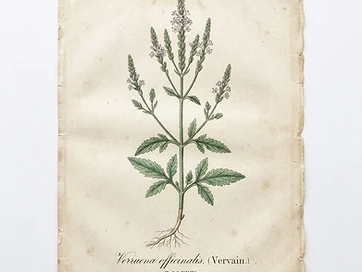
Verbena officinalis
Vervain
Verbenaceae
Faint, green and herbaceous

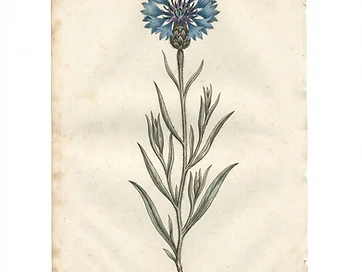
Centaurea cyanus
Cornflower
Asteraceae
Floral, mild, slightly sweet, green