
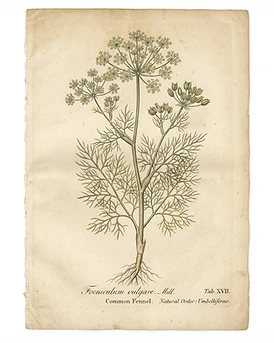
Foeniculum vulgare
Fennel
Apiaceae
Identity
- Common Name
- Fennel
- Scientific Name
- Foeniculum vulgare
- Botanical Family
- Apiaceae
- Native Region
- Mediterranean
- Cultivation Regions
- Mediterranean, Europe, India, worldwide temperate
- Plant Parts Used
- Seeds, Leaves, Bulb
- Synonyms
- Sweet Fennel, Finocchio
- Caffeine Level
- Caffeine Free
A tall aromatic perennial 1.5–2.5 m with feathery, thread-like bluish-green leaves, umbels of tiny yellow flowers, and ribbed green-brown seeds. The seeds are the primary medicinal part; the bulb is culinary.
Historical Background
Fennel seed has soothed digestion in Mediterranean, Indian, and Chinese households for millennia — chewed after meals, brewed as tea, and used in Ayurvedic and Unani digestive formulas. The Greeks named it 'marathon' (marathron), giving Marathon its name.
Earliest recorded uses: Egyptian, Greek, and Ayurvedic texts; Dioscorides describes fennel.
Cultural significance: Fennel gave the Greek plain of Marathon its name (from marathron, fennel) and is chewed after meals across India and the Mediterranean — a universal after-dinner digestive.
Traditional preparations:
- Seed infusion
- Chewed seeds
- Gripe water
Traditional Uses
These uses document historical traditions and do not imply proven effectiveness.
Ayurveda
Seeds (saunf) for digestion, colic, and lactation support.
Mediterranean Traditions
After-dinner seed tea for bloating and fresh breath.
Flavor & Aroma
Aroma: Sweet, anise, licorice-like
Tea Information
Safety & Cautions
Research Summary
Fennel is widely used for digestive comfort and as a galactagogue, with limited clinical evidence; a few small trials suggest benefit for infantile colic and menstrual pain, but quality is low. Estrogenic compounds warrant caution in pregnancy and hormone-sensitive conditions.
Evidence levels reflect the currently available scientific literature and may change as new research emerges. Where evidence is limited or conflicting, this is stated plainly.
References & Sources
Related Herbs

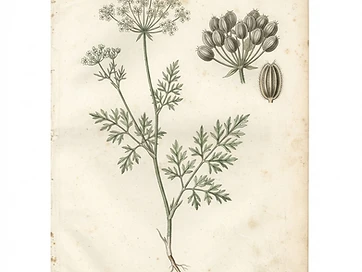
Pimpinella anisum
Anise
Apiaceae
Sweet, licorice-like, warm, aromatic


Angelica archangelica
Angelica
Apiaceae
Warm, sweet, musky, celery-like

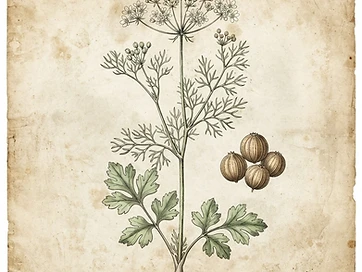
Coriandrum sativum
Coriander
Apiaceae
Warm, citrus-like, slightly sweet, aromatic