
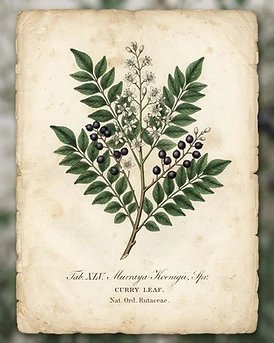
Murraya koenigii
Curry Leaf
Rutaceae
Identity
- Common Name
- Curry Leaf
- Scientific Name
- Murraya koenigii
- Botanical Family
- Rutaceae
- Native Region
- South Asia
- Cultivation Regions
- India, Southeast Asia, Tropics
- Plant Parts Used
- Leaves, Berries (traditional)
- Synonyms
- Curry Leaves, Sweet Neem, Kadi Patta
- Caffeine Level
- Caffeine Free
A tropical tree bearing pinnate compound leaves of glossy leaflets and sprays of small white fragrant flowers followed by dark berries. The aromatic leaves define South Indian cooking.
Historical Background
A cornerstone of South Indian cuisine and Ayurvedic practice, curry leaf has been valued for digestion, blood sugar, and hair health for centuries.
Earliest recorded uses: Digestive aid, blood sugar balance, and hair tonic in Ayurveda.
Cultural significance: Essential to the tempering (tadka) of South Indian curries; culturally inseparable from regional cooking.
Ayurvedic
Described for digestion, blood, and hair in classical Ayurvedic texts.
Modern
Investigated for hypoglycemic and antioxidant carbazole alkaloids.
Traditional preparations:
- Fresh leaf infusion
- Decoction
- Fresh leaves in food
Traditional Uses
These uses document historical traditions and do not imply proven effectiveness.
Ayurveda
Leaf preparations for digestion, blood sugar support, and as a hair and skin tonic.
Flavor & Aroma
Aroma: Pungent, citrus-resinous
Tea Information
Safety & Cautions
Research Summary
Carbazole alkaloids (e.g., mahanimbine) are under study for metabolic and antioxidant effects; human clinical evidence remains limited.
Evidence levels reflect the currently available scientific literature and may change as new research emerges. Where evidence is limited or conflicting, this is stated plainly.
References & Sources
References & Sources
- WHO · WHO Monographs on Selected Medicinal Plants (various)
Related Herbs

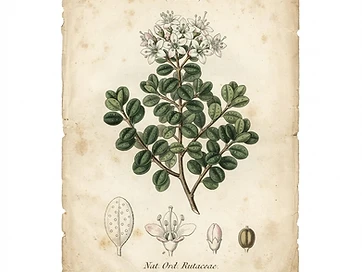
Agathosma betulina
Buchu
Rutaceae
Sharp, fruity, herbaceous

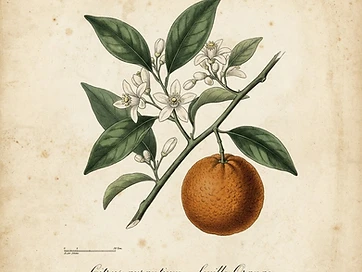
Citrus aurantium
Seville Orange
Rutaceae
Citrus, bitter-orange, floral, slightly spicy


Citrus hystrix
Makrut Lime Leaf
Rutaceae
Citrus, lime, floral, slightly peppery